

As the temperatures drop, many of us turn to electric heaters to keep our homes warm and cozy. While these appliances can be a great source of heat, it’s important to use them with safety in mind. We want to make sure everyone stays safe and warm this winter, so we’ve put together some tips to help you use your electric heater correctly and avoid potential problems. Let’s go over some important points about electric heater safety.
Key Takeaways
- Always choose an electric heater that meets current safety standards and is the right size for the room you need to heat.
- Proper placement is vital; keep heaters away from flammable materials like curtains, bedding, and furniture, and never block air vents.
- Regularly check your electric heater for any signs of damage, like frayed cords, and never leave it running unattended, especially when sleeping.
Understanding Electric Heater Safety
When we bring electric heaters into our homes for warmth, it’s easy to forget they’re still electrical appliances that need careful handling. We want to make sure everyone stays safe and cozy, so let’s go over some basics. Choosing the right heater and placing it correctly are the first steps to avoiding trouble.
Choosing the Right Electric Heater
Not all heaters are created equal, and picking the one that fits your needs is important. Think about the size of the room you need to heat. A small space heater might be fine for a bathroom, but it won’t do much in a large living room. We also need to consider the type of heater. Ceramic heaters are generally good for quick, localized heat, while oil-filled radiators provide a more even, sustained warmth. Infrared heaters heat objects directly, which can be efficient for certain uses. Always check the wattage and make sure your home’s electrical system can handle it, especially if you plan on running other appliances on the same circuit. Look for heaters with safety features like automatic shut-off if they tip over or overheat. It’s a good idea to buy from reputable brands and check for safety certifications.
Proper Placement For Electric Heater Safety
Where we put our heaters matters a lot. We must keep them away from anything that can catch fire. This means keeping them at least three feet away from curtains, bedding, furniture, and paper. Never place a heater where it could be knocked over easily, like in a high-traffic area or near where pets or children play. We also need to be mindful of water. Don’t use electric heaters in bathrooms or other damp areas unless they are specifically designed for that purpose and have appropriate safety ratings. The cord is another thing to watch. Make sure it’s not frayed or damaged, and don’t run it under rugs or carpets where it could be a tripping hazard or overheat. Always plug the heater directly into a wall outlet; avoid using extension cords if possible, as they can sometimes overheat and cause fires.
We need to treat every electric heater with respect. They are tools to keep us warm, but like any tool, they can cause harm if not used properly. A little bit of attention to detail goes a long way in preventing accidents.
Safe Operation Of Your Electric Heater
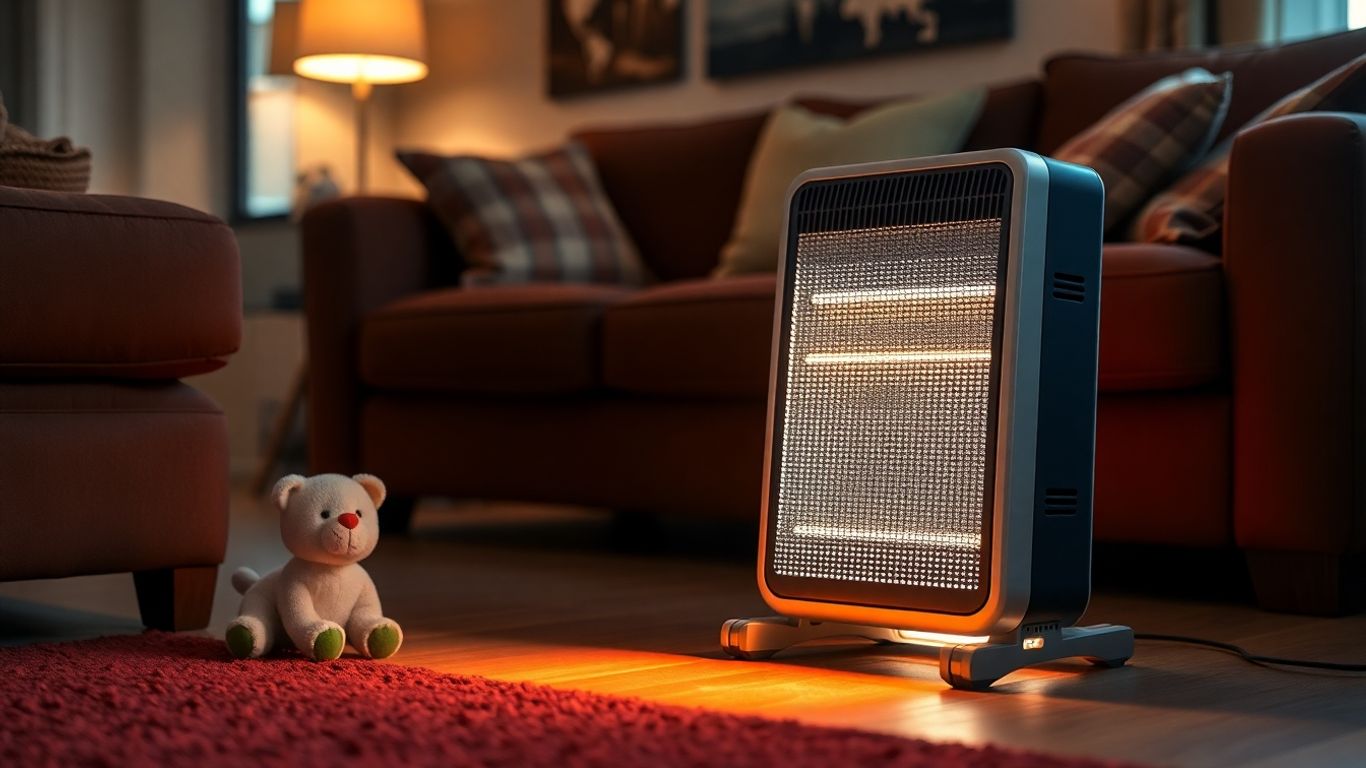
Operating an electric heater safely is pretty straightforward, but there are a few things we should all keep in mind to avoid any trouble. It’s not just about plugging it in and turning it up; a little attention goes a long way.
Regular Maintenance For Electric Heater Safety
We often forget about maintenance until something goes wrong, but with electric heaters, a bit of regular upkeep can prevent problems. Think of it like changing the oil in your car – it keeps things running smoothly and safely. We should check the power cord for any fraying or damage. If we see any nicks or exposed wires, it’s time to stop using that heater immediately and consider replacing it. Also, take a moment to clean the vents or grilles. Dust and debris can build up inside, which isn’t just a fire hazard but can also make the heater less efficient. A quick wipe-down or vacuuming should do the trick. We also need to make sure that the heater is stable and not wobbly. A loose stand could lead to it tipping over, which is never a good thing.
Avoiding Common Electric Heater Hazards
There are a few common mistakes people make with electric heaters that we should all try to avoid. First off, never, ever cover the heater with anything. Blankets, clothes, curtains – none of it should be near the heating elements. This is probably the most important rule to remember. It’s a major fire risk. We also need to be mindful of where we place them. Keep them away from flammable materials like paper, furniture, and bedding. Think about a safe zone around the heater, maybe a couple of feet in every direction. Another thing to watch out for is overloading electrical outlets. Plugging too many high-wattage appliances into one outlet can trip breakers or, worse, cause overheating. It’s best to plug heaters directly into a wall outlet if possible, and avoid using extension cords unless absolutely necessary, and if you do, make sure it’s a heavy-duty one rated for the heater’s wattage.
We need to treat electric heaters with respect. They are useful tools for staying warm, but they also have the potential to cause harm if not used correctly. A little bit of caution and awareness can make all the difference in keeping our homes safe and cozy throughout the colder months.
Emergency Preparedness With Electric Heaters
What To Do In Case Of Malfunction
Even with the best care, electric heaters can sometimes act up. It’s good to know what to do if yours starts acting strangely. The most important thing is to never ignore unusual smells or sounds. If you notice a burning smell, a strange buzzing, or if the heater starts to overheat, don’t try to fix it yourself. Immediately unplug the unit from the wall socket. If the plug is too hot to touch, use oven mitts or a thick towel to pull it out. Once it’s unplugged, move the heater to a safe, non-flammable surface, like a concrete floor, away from anything that could catch fire. Keep the area clear around it until it has completely cooled down.
We should all have a plan for when things go wrong. Here are a few steps to keep in mind:
- Listen for odd noises: A clicking or popping sound might mean internal issues.
- Watch for smoke or sparks: This is a clear sign to shut it off immediately.
- Feel for overheating: If the casing is too hot to comfortably touch, it’s a problem.
- Check the cord: Frayed or damaged cords are a fire hazard.
It’s also wise to have a working smoke detector nearby, and ideally, a fire extinguisher rated for electrical fires. Knowing where these are and how to use them can make a big difference in an emergency. We don’t want to think about these things, but being ready is always better than being caught off guard. Remember, safety first, always.
Stay Warm and Safe This Winter
As we head into the colder months, using electric heaters can be a good way to keep our homes cozy. We’ve gone over some important points to make sure we’re using them safely. Always read the instructions that come with your heater, and never leave them running when you’re not around or when you go to sleep. Keeping flammable things away from the heater is also a big one. By following these simple steps, we can all enjoy a warm home without worrying about accidents. Let’s make this a safe and comfortable winter for everyone.
Frequently Asked Questions
What are the most important things we should check before we turn on our electric heater?
Before we power up our electric heater, it’s crucial to give it a good once-over. We must ensure the cord isn’t frayed or damaged in any way. Also, we should check that the heater itself is clean and free of dust or debris, especially around the heating elements and vents, as this can be a fire risk. Making sure it’s placed on a flat, stable surface away from anything flammable is also a key step.
What should we do if our electric heater starts making strange noises or smells funny?
If our electric heater begins to act up, making unusual sounds like buzzing or clicking, or if we notice a strange smell, the first and most important action is to unplug it immediately. We should never try to use a heater that seems to be malfunctioning. It’s best to let it cool down completely and then have it inspected by a professional or consider replacing it if it’s old or damaged.
Are there specific places where we absolutely should not put an electric heater?
Yes, there are definitely spots where we must avoid placing electric heaters. We should never set them up near curtains, bedding, furniture, or any other materials that can easily catch fire. Bathrooms and other damp areas are also a no-go because water and electricity are a dangerous mix. Keeping them at least three feet away from anything that could burn is a good rule of thumb.


