

We all want to keep our homes warm without spending too much. Sometimes, we forget about the heating system itself. Just like our cars need regular check-ups, our heaters do too. Ignoring them can lead to higher energy bills and unexpected repair costs. This article looks at how regular heater maintenance can actually save us money in the long run, focusing on heater maintenance cost savings.
Key Takeaways
- Keeping your heater running well means it uses less energy. This directly lowers your monthly bills.
- Catching small problems early stops them from turning into big, expensive fixes later on.
- A well-cared-for heater lasts longer, meaning you won’t have to replace it as soon.
Maximizing Efficiency For Heater Maintenance Cost Savings
When we talk about keeping our homes warm, we often focus on the thermostat setting or the type of heating system we have. But a big part of saving money comes down to how well that system is actually working. Regular maintenance isn’t just about preventing breakdowns; it’s about making sure your heater is running as efficiently as possible. Think of it like getting an oil change for your car – it keeps things running smoothly and prevents bigger issues down the road.
Preventing Energy Waste Through Regular Tune-Ups
An unmaintained heater can be a real energy hog. Over time, dust and debris can build up on crucial components like the filter, blower motor, and heat exchanger. This buildup forces the system to work harder to produce the same amount of heat. A dirty filter alone can reduce your system’s efficiency by up to 15%, making your furnace or boiler consume more electricity or gas than it needs to. During a tune-up, our technicians clean these parts, check for wear and tear, and make sure everything is calibrated correctly. This means less wasted energy and lower utility bills for us.
Here’s what a typical tune-up involves:
- Cleaning and inspecting the burner assembly.
- Checking the heat exchanger for cracks or damage.
- Lubricating moving parts to reduce friction.
- Testing thermostat accuracy.
- Inspecting electrical connections.
Optimizing Airflow For Peak Performance
Airflow is the lifeblood of any heating system. If air can’t move freely through your ducts and around your system’s components, your heater struggles. Blocked vents, dirty filters, or issues with the blower fan can all impede airflow. When airflow is poor, your system runs longer cycles to try and reach the desired temperature, using more fuel in the process. Regular checks ensure that:
- Ductwork is clear of obstructions.
- Filters are clean and properly sized.
- The blower motor is functioning at its best.
Optimizing airflow means your heater can distribute warm air more effectively throughout your home, leading to more consistent temperatures and less strain on the equipment. It’s a simple concept, but it makes a significant difference in how much energy we use and how comfortable our homes feel.
Avoiding Costly Repairs With Proactive Heater Care
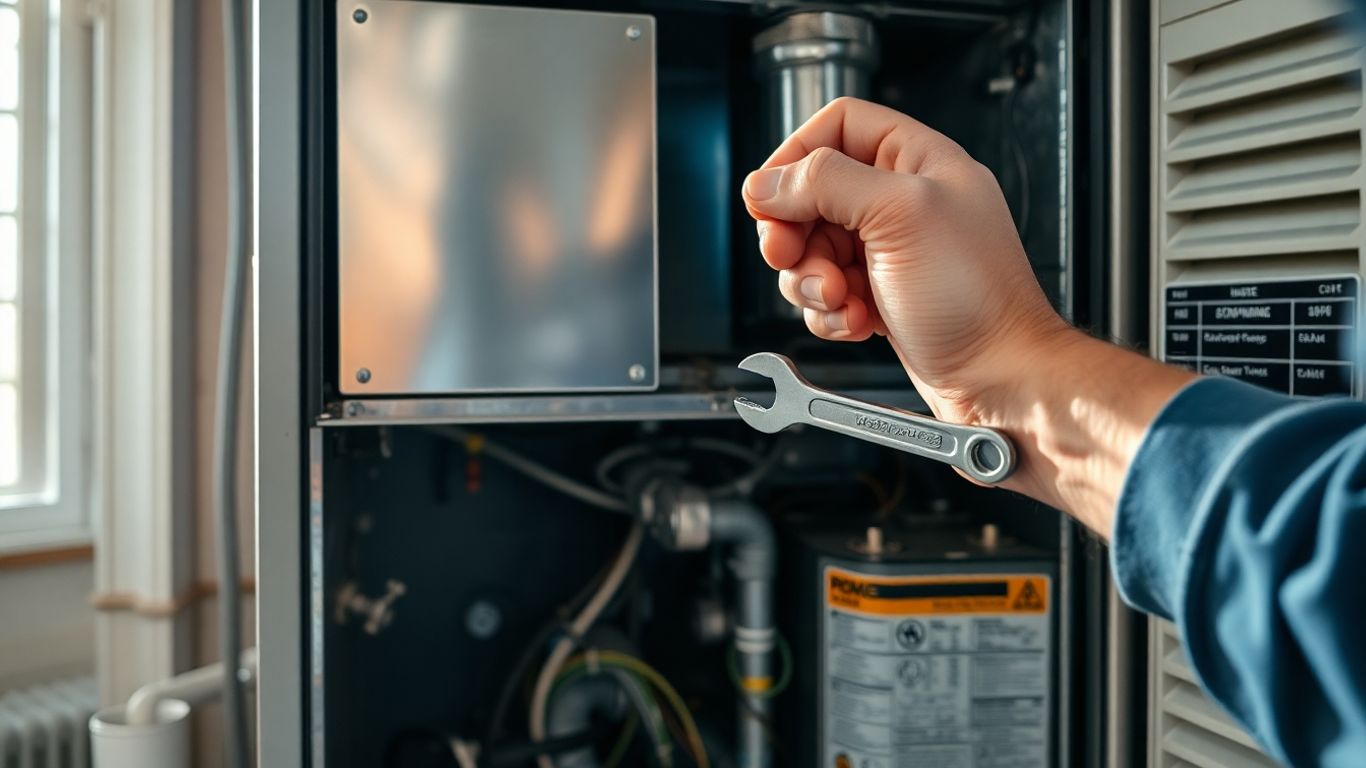
We all know that feeling when something breaks unexpectedly, right? It’s usually at the worst possible time, and the repair bill can be a real shock. When it comes to our home heating systems, ignoring them until they stop working is a surefire way to end up with a hefty, unplanned expense. Proactive care, however, can make a huge difference.
Identifying Small Issues Before They Become Major Problems
Think of your heater like your car. Little noises or odd smells are often the first signs that something isn’t quite right. If we catch these early, we can usually fix them without too much fuss or cost. A technician performing regular maintenance can spot things like a worn-out belt, a slightly loose connection, or a buildup of dust that could eventually cause a bigger breakdown. These small, inexpensive fixes can prevent a cascade of problems that lead to a complete system failure. Ignoring a faint rattling sound might seem harmless, but it could be a sign that a critical component is about to give out.
Extending The Lifespan Of Your Heating System
Our heating systems are a big investment. We want them to last as long as possible, and regular check-ups are key to that. When we keep our heaters running smoothly, we’re not just preventing breakdowns; we’re also reducing the wear and tear on all the parts. A well-maintained system doesn’t have to work as hard to heat our homes, which means its components last longer. This means we can put off buying a whole new unit for many more years.
Here’s what regular care typically involves:
- Cleaning and Lubrication: Dust and grime can clog up moving parts, causing friction and wear. Keeping things clean and properly oiled makes a big difference.
- Component Inspection: Technicians check everything from the thermostat to the heat exchanger for signs of damage or wear.
- Filter Replacement: A clean air filter is vital for airflow and prevents dust from getting into the system’s sensitive parts.
- Safety Checks: Ensuring all safety controls and connections are working correctly is paramount.
Neglecting your heater is like ignoring a small leak in your roof. It might not seem like a big deal at first, but over time, that small issue can lead to significant water damage and a much more expensive repair job. The same principle applies to your heating system; small problems left unattended tend to grow.
By scheduling annual or bi-annual maintenance appointments, we’re essentially giving our heating systems a regular health check-up. This proactive approach is far more cost-effective than waiting for a breakdown and dealing with the emergency repair costs and potential discomfort that comes with it.
Wrapping Up: Your Heater’s Best Friend
So, we’ve talked about how keeping up with your heater isn’t just another chore. It really does make a difference when it comes to your wallet. Think about it: a well-looked-after system runs better, uses less energy, and is less likely to break down when you need it most. That means fewer surprise repair bills and lower heating costs throughout the cold months. We should all try to schedule those check-ups. It’s a simple step that pays off, keeping our homes warm and our budgets happy. Let’s make heater maintenance a regular thing.
Frequently Asked Questions
How often should we have our heater checked?
We recommend having your heater looked at by a professional at least once a year, usually before the cold weather really sets in. Think of it like taking your car for an oil change; it keeps things running smoothly and helps catch little issues before they become big headaches.
What happens if we don’t maintain our heater?
Skipping regular check-ups can lead to your heater working harder than it needs to, which uses more energy and costs more money. It also means small problems might go unnoticed until they break down completely, leading to expensive emergency repairs and a potentially cold house.
Can heater maintenance really save us money?
Absolutely! When your heater is clean and working efficiently, it doesn’t have to strain as much to warm your home. This means it uses less electricity or gas, directly lowering your utility bills. Plus, by preventing major breakdowns, we avoid those costly surprise repair bills that can really hurt the budget.


