

We’re exploring how heat pumps work and why they might be a good choice for your home. Many people are looking into these systems for heating and cooling, and for good reason. We’ll break down what goes into setting one up and what makes them stand out.
Key Takeaways
- Choosing the right heat pump system involves looking at your home’s needs and the types of units available.
- The actual heat pump installation process requires careful planning and skilled technicians to work correctly.
- Heat pumps offer benefits like saving money on energy bills and being kinder to the environment.
How Heat Pump Installation Works
Getting a heat pump installed might seem like a big project, but we’ve broken down what you can expect. It’s not just about picking a unit; it’s about making sure it fits your home and your needs perfectly. We’ll walk you through the steps so you know what’s happening.
Choosing The Right Heat Pump System
Selecting the correct heat pump is the first big step. We need to look at a few things to make sure we get it right for your specific situation. It’s not a one-size-fits-all deal, you know?
- Home Size and Layout: A larger home needs a more powerful system than a smaller one. We also consider how the house is laid out – open plans versus lots of separate rooms can affect how the air circulates.
- Climate: Where you live matters a lot. Colder climates might need a system that’s a bit more robust for heating, while warmer areas might focus more on cooling capabilities.
- Existing Ductwork: If you already have air ducts, we can often work with them. If not, we’ll need to discuss options for installing new ductwork, which adds to the complexity and cost.
- Energy Needs: How much heating and cooling do you typically use? We can look at past energy bills to get a good idea of your usage patterns.
We also have different types of systems to consider:
- Air-Source Heat Pumps: These are the most common. They pull heat from the outside air, even when it’s cold, and move it inside. In the summer, they reverse the process to cool your home.
- Geothermal Heat Pumps: These use the stable temperature of the earth to exchange heat. They’re very efficient but require significant groundwork to install.
- Water-Source Heat Pumps: Less common for homes, these use a body of water (like a pond or well) as the heat source or sink.
Making the right choice upfront saves a lot of headaches and money down the road. It’s better to spend a little more time planning than to deal with an inefficient or undersized system later.
The Heat Pump Installation Process
Once we’ve picked the system, the actual installation begins. We try to make this as smooth as possible for you.
- Site Assessment: We’ll do a final check of your home to confirm the best placement for the indoor and outdoor units.
- System Preparation: This involves getting the chosen heat pump unit ready and making sure all necessary components are on hand.
- Installation of Units: The outdoor unit (condenser) and indoor unit (air handler or furnace coil) are installed. This includes connecting them with refrigerant lines.
- Ductwork Connection (if applicable): If you have existing ducts, we connect the new system to them. If not, this is when new ductwork is put in place.
- Electrical and Thermostat Wiring: We connect the system to your home’s electrical supply and install or connect your new thermostat.
- Refrigerant Charging and System Testing: The system is charged with the correct amount of refrigerant, and we run tests to make sure everything is working as it should – heating, cooling, and airflow.
- Final Checks and Cleanup: We’ll do a thorough check of all connections and clean up the work area.
Our goal is to have your new heat pump running efficiently and effectively with minimal disruption to your daily life. We’ll explain how to operate your new system and answer any questions you might have before we leave.
Advantages Of Heat Pump Technology
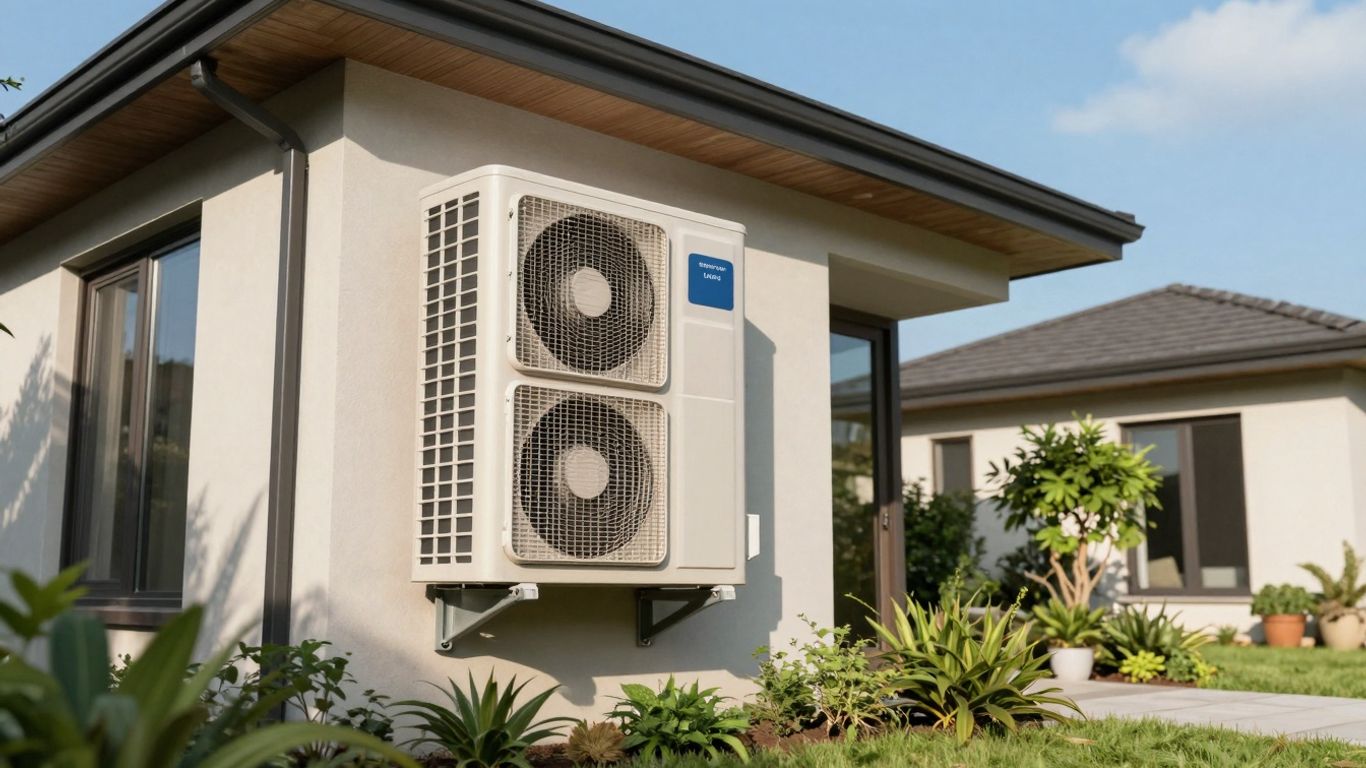
When we look at heat pump technology, there are some pretty clear upsides that make them a smart choice for many homes. We’ve found that the biggest draw for most people is how they handle energy use and, consequently, our utility bills.
Energy Efficiency And Cost Savings
Heat pumps are different from traditional furnaces or air conditioners because they don’t create heat; they move it. In the winter, they pull heat from the outside air (even when it’s cold!) and bring it inside. In the summer, they reverse the process, taking heat from your home and dumping it outside. This process uses significantly less electricity than generating heat from scratch.
This ability to transfer heat rather than generate it is what makes them so efficient. We’ve seen firsthand how this translates into real savings. While the initial installation might cost more upfront, the long-term reduction in energy consumption can lead to substantial savings over the lifespan of the system. Think about it: instead of burning fuel or using electric resistance, you’re just relocating existing heat. It’s like getting your heating and cooling done with a fraction of the energy.
Here’s a general idea of how the energy use can compare:
| System Type | Typical Energy Use (Relative) | Notes |
|---|---|---|
| Heat Pump (Heating) | 1 unit of electricity | Moves 3-4 units of heat |
| Electric Furnace | 1 unit of electricity | Generates 1 unit of heat (resistance) |
| Natural Gas Furnace | Varies (fuel cost) | Efficiency varies, some heat lost |
Of course, actual savings depend on many factors, like your local climate, electricity rates, and how well your home is insulated. But the principle of moving heat is a game-changer for efficiency.
Environmental Benefits Of Heat Pumps
Beyond the financial perks, we also appreciate the positive impact heat pumps have on the environment. Because they use electricity more efficiently and often don’t rely on burning fossil fuels directly in the home, they can significantly reduce your carbon footprint.
- Reduced Greenhouse Gas Emissions: By using less energy overall and avoiding on-site combustion of fuels like natural gas or oil, heat pumps contribute to lower emissions. This is especially true when the electricity powering them comes from renewable sources.
- No On-Site Combustion: Unlike furnaces that burn fuel, heat pumps don’t produce exhaust gases or pollutants directly at your house. This means cleaner air around your home.
- Supports Renewable Energy: As more of our electricity grid shifts towards solar, wind, and other renewables, the environmental benefits of heat pumps become even greater. They are a perfect partner for a cleaner energy future.
The shift towards heat pumps represents a move away from direct fuel burning in our homes towards more efficient electrical systems. This aligns with broader goals for reducing air pollution and combating climate change, making them a responsible choice for homeowners looking to minimize their environmental impact.
So, when we consider the whole picture, the efficiency and environmental advantages of heat pumps are pretty compelling reasons to explore them for your home’s heating and cooling needs.
Wrapping Up Our Heat Pump Chat
So, we’ve talked a lot about heat pumps. They seem like a pretty good deal, right? We’ve seen how they can save us money on our energy bills and how they’re better for the environment. It’s not just about being green, though; it’s also about making our homes more comfortable year-round. Thinking about upgrading your heating and cooling? A heat pump might be worth looking into. We’ve covered the basics, and hopefully, this gives you a clearer picture of what they are and why they’re becoming so popular. It’s a big decision, for sure, but one that could pay off in the long run for both our wallets and the planet.
Frequently Asked Questions
How do we know if a heat pump is the best choice for our home?
We should consider a few things. First, what’s the weather like where we live? Heat pumps work best in places that aren’t extremely cold. We also need to think about our current heating and cooling setup. Sometimes, a heat pump can replace both your furnace and air conditioner, which is pretty neat. Our energy bills are another factor; heat pumps can often lower them significantly because they use less electricity than traditional systems.
Is installing a heat pump a difficult process?
Generally, the installation isn’t overly complicated, but it does require skilled professionals. They’ll need to assess our home to figure out the best type and size of heat pump. Then, they’ll install the outdoor unit and the indoor unit, connecting them with pipes for refrigerant. They also connect it to our electrical system. While it might take a day or two, it’s a pretty straightforward process for experienced technicians.
What makes heat pumps so good for the environment?
Heat pumps are considered eco-friendly because they don’t burn fossil fuels like natural gas or oil to create heat. Instead, they move heat that’s already in the air or ground. This means they produce way fewer greenhouse gases, which are bad for the planet. By using electricity, especially if that electricity comes from renewable sources like solar or wind, we can drastically reduce our carbon footprint and help keep the air cleaner.


