
When your heating system decides to take a break, especially on a cold day, it can be a real headache. We’ve all been there, shivering and wondering what went wrong. This article aims to help you figure out some of the most common problems you might run into with your furnace. We’ll walk through some simple checks you can do yourself before you need to call in a professional. Sometimes, it’s a quick fix, and other times, it points to a bigger issue. Let’s get started on figuring out what’s happening with your heat.
Key Takeaways
- When your home is cold, first check the thermostat to make sure it’s set correctly. Sometimes, it’s just a simple setting that needs adjusting.
- If your furnace isn’t lighting, look into the pilot light. This is a common issue that might be fixable with a few furnace troubleshooting tips.
- Pay attention to any odd noises or smells coming from your heating system. These can be early warnings of problems that need attention.
Addressing No Heat Situations
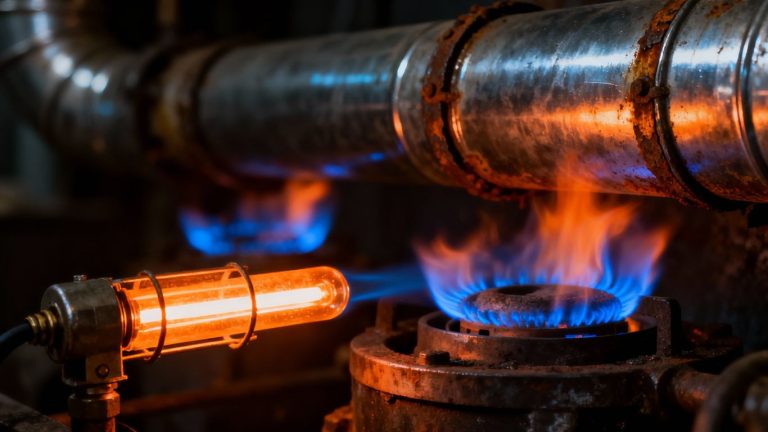
[{"h2":"Addressing No Heat Situations","h3s":[{"h3":"Checking Your Thermostat Settings","content":"When the house gets cold and the heat isn’t kicking on, the thermostat is often the first place we look. It sounds simple, but sometimes the settings just get bumped or changed accidentally. We need to make sure it’s set to ‘Heat’ and not ‘Cool’ or ‘Off’. Also, check the temperature setting. Is it set higher than the current room temperature? If the thermostat is battery-powered, those batteries might be dead. Replacing them is a quick fix that often gets things working again. If you have a programmable thermostat, it might be stuck in a schedule that’s telling the system not to heat. We can try overriding the schedule temporarily to see if that makes a difference. Sometimes, a simple reset of the thermostat can resolve communication issues with the heating system."},{"h3":"Furnace Troubleshooting Tips for Pilot Light Issues","content":"If your furnace isn’t producing heat, and you’ve checked the thermostat, the next step is often looking at the pilot light. For older furnaces, a constantly burning pilot light is necessary to ignite the main burners. If this small flame is out, the furnace won’t heat. We need to follow the manufacturer’s instructions carefully to relight it. This usually involves turning a control knob to ‘Pilot,’ holding down a button while lighting the pilot with a long lighter or the igniter, and then turning the knob back to ‘On’ once the flame is steady. If the pilot light won’t stay lit after a few tries, there might be a problem with the thermocouple, which is a safety device that senses the pilot flame. If the thermocouple is faulty, it tells the furnace the pilot light is out, even when it’s on, and shuts off the gas. We might need to replace this part. Another reason the pilot light might go out is a draft. We should check if there’s anything near the furnace that could be causing airflow issues, like an open window or a vent blowing directly on it. If the pilot light keeps going out repeatedly, it’s a sign that we should probably call a professional to diagnose the underlying cause, which could be related to gas pressure or venting."}]}]}
Resolving Unusual Noises and Smells
[{"h2":"Resolving Unusual Noises and Smells","h3s":[{"h3":"Identifying Strange Furnace Sounds","content":"We’ve all been there – a sudden clank or a persistent rattle from the furnace can be unsettling. These sounds aren’t just annoying; they often signal a problem that needs attention. Let’s break down some common noises we might hear and what they could mean.
- Rattling: This is often caused by loose parts within the furnace, like a panel or a blower component. Sometimes, it’s as simple as a screw that’s worked its way loose. We should check if any access panels are not secured properly.
- Banging or Clanking: A loud bang, especially when the furnace kicks on, might point to an issue with the ignition system or a problem with the heat exchanger. It could also mean that the blower wheel is unbalanced or hitting something.
- Screeching or Grinding: This sound is usually associated with the blower motor or fan. It often indicates that the motor bearings are worn out and need lubrication or replacement. Ignoring this sound can lead to a complete motor failure.
- Clicking: A rapid clicking sound, particularly before the burner ign Backs on, can sometimes mean there’s a problem with the gas valve or the igniter. If it’s a single click, it might just be the thermostat signaling the furnace to start.
When we hear these noises, our first step should be to turn off the furnace at the thermostat and the breaker. Then, we can visually inspect the unit for anything obviously loose. If the noise persists or we’re not comfortable investigating further, it’s time to call a professional.
It’s easy to get used to the background hum of our heating systems, but any new or unusual sound should be taken seriously. A small issue, if left unchecked, can quickly turn into a much larger, more expensive repair.
"},{"h3":"Diagnosing Odors Emanating From Your Heating System","content":"Beyond strange noises, peculiar smells coming from our heating system can also be a cause for concern. These odors can range from mildly unpleasant to downright alarming, and understanding their source is key to addressing them safely.
Here are some common smells and their potential causes:
- Musty or Mildew Smell: This often indicates a problem with moisture. It could be that the air filter is dirty and trapping dampness, or there might be mold or mildew growing in the ductwork or around the humidifier if we have one. We should check the air filter first and replace it if it looks dirty.
- Rotten Egg Smell: This is a serious one. If we detect a smell like sulfur or rotten eggs, it could mean there’s a natural gas leak. We should immediately turn off the furnace, leave the house, and call our gas company or 911 from a safe distance. Do not use any electronics or light switches when you smell this.
- Burning Dust Smell: This is quite common, especially when we first turn the heat on after a long break. Dust accumulates on the heating elements or in the furnace over the summer. The first few times the furnace runs, this dust burns off, creating a temporary smell. If the smell lingers for more than a few hours of operation, it might suggest a more significant issue, like a problem with the blower motor overheating or something caught in the fan.
- Chemical or Smoky Smell: This could point to electrical issues, like a motor overheating or wiring problems. It could also mean that something has fallen into the furnace and is burning.
When we encounter a strong or concerning smell, like the rotten egg odor, safety is our top priority. For less urgent smells, like burning dust, we can try running the fan for a while to clear the air. If any smell persists or seems dangerous, we should shut down the system and contact a qualified HVAC technician.
"}]}]
Wrapping Up Your Heating System Fixes
Well, we’ve walked through some of the more common problems that can pop up with our heating systems. Sometimes, it’s just a simple fix, like checking the thermostat or making sure the air filter isn’t clogged. Other times, things get a bit more involved, and that’s when we might need to call in a professional. We hope this guide has given you a clearer picture of what might be going on and maybe even helped you tackle a few things yourself. Remember, staying on top of these issues can save you a lot of hassle, and more importantly, keep your home warm and comfortable when you need it most. Don’t hesitate to reach out for help if you’re ever unsure about a repair.
Frequently Asked Questions
What should we do if our house isn’t getting warm at all?
First, we’ll want to double-check the thermostat. Sometimes, it might just be set to the wrong mode, like ‘cool’ instead of ‘heat,’ or the temperature might be set too low. If that’s not the problem, and we have a gas furnace, we might need to look into whether the pilot light is lit. A pilot light that’s out is a common reason for no heat.
We’re hearing weird noises from our heating system. What could that be?
Strange sounds can be a bit concerning. Rattling might mean something is loose, like a duct or a part inside the furnace. A banging noise could indicate a problem with the blower motor or even pressure issues. Sometimes, a squealing sound can point to a worn-out belt or a motor bearing that needs attention. It’s best to investigate these sounds to prevent bigger issues.
Why does our heating system sometimes smell funny?
Unusual smells from a heating system often need prompt attention. A burning smell, especially when the heat first turns on, could be dust burning off the heating elements, which is usually harmless. However, if the smell is like rotten eggs, that’s a serious sign of a gas leak, and we should turn off the system immediately and call for professional help. A musty smell might mean there’s mold or mildew in the ductwork.


