

Spring is a beautiful time of year, but for many of us, it also brings sneezing, itchy eyes, and a general feeling of being unwell. This is often due to pollen and other allergens that find their way into our homes. We can take steps to make our indoor spaces healthier, especially when it comes to the air we breathe. Focusing on our indoor air quality systems can make a big difference in how we feel during allergy season.
Key Takeaways
- We can improve our home’s air by looking at our air filtration. Using filters that catch small particles helps remove allergens like pollen and dust. Some advanced indoor air quality systems can really help with this.
- Getting fresh air into our homes is important, but we need to do it smartly. Air exchangers can bring in outside air while keeping the conditioned air inside. Smart systems can help us get the right amount of fresh air without wasting energy.
- Keeping our homes clean and controlling humidity plays a big part in reducing allergens. Regular dusting, vacuuming, and keeping moisture levels in check stops mold and dust mites from growing, which are common triggers for allergies.
Enhance Your Home’s Air Filtration
When spring rolls around, we often think about opening windows for fresh air, but that can let in a lot of pollen and other allergens. That’s where improving our home’s air filtration comes into play. A good filtration system acts like a sieve, catching those tiny particles before they can bother us. We need to pay attention to what’s actually filtering the air in our homes.
Understanding HEPA Filters for Allergy Relief
HEPA stands for High-Efficiency Particulate Air. These filters are designed to capture a very high percentage of airborne particles. We’re talking about things like pollen, dust mites, pet dander, and even some mold spores. For someone dealing with allergies, a HEPA filter can make a noticeable difference. They work by forcing air through a fine mesh that traps even the smallest irritants. When we’re looking for air purifiers or furnace filters, checking for the HEPA standard is a good first step. It’s not just about moving air around; it’s about cleaning it.
- What HEPA Filters Capture:
- Pollen
- Dust Mite Debris
- Pet Dander
- Mold Spores (some)
- Bacteria (some)
Integrating Advanced Indoor Air Quality Systems
Beyond just a simple filter, we can look at more integrated systems. These often combine filtration with other air treatment methods. Think about whole-house air purifiers that connect directly to our HVAC system. They can handle a larger volume of air and offer more robust filtration than portable units. Some systems also include features like UV-C light to kill germs or activated carbon to remove odors and gases. It’s about creating a more complete solution for cleaner air throughout our entire home, not just in one room. We should consider how these systems work together to manage our indoor environment.
We want our homes to be a sanctuary, especially during allergy season. Focusing on air filtration is a practical way to reduce the allergens we breathe every day. It’s a proactive step towards feeling better indoors.
Optimize Ventilation for Cleaner Air
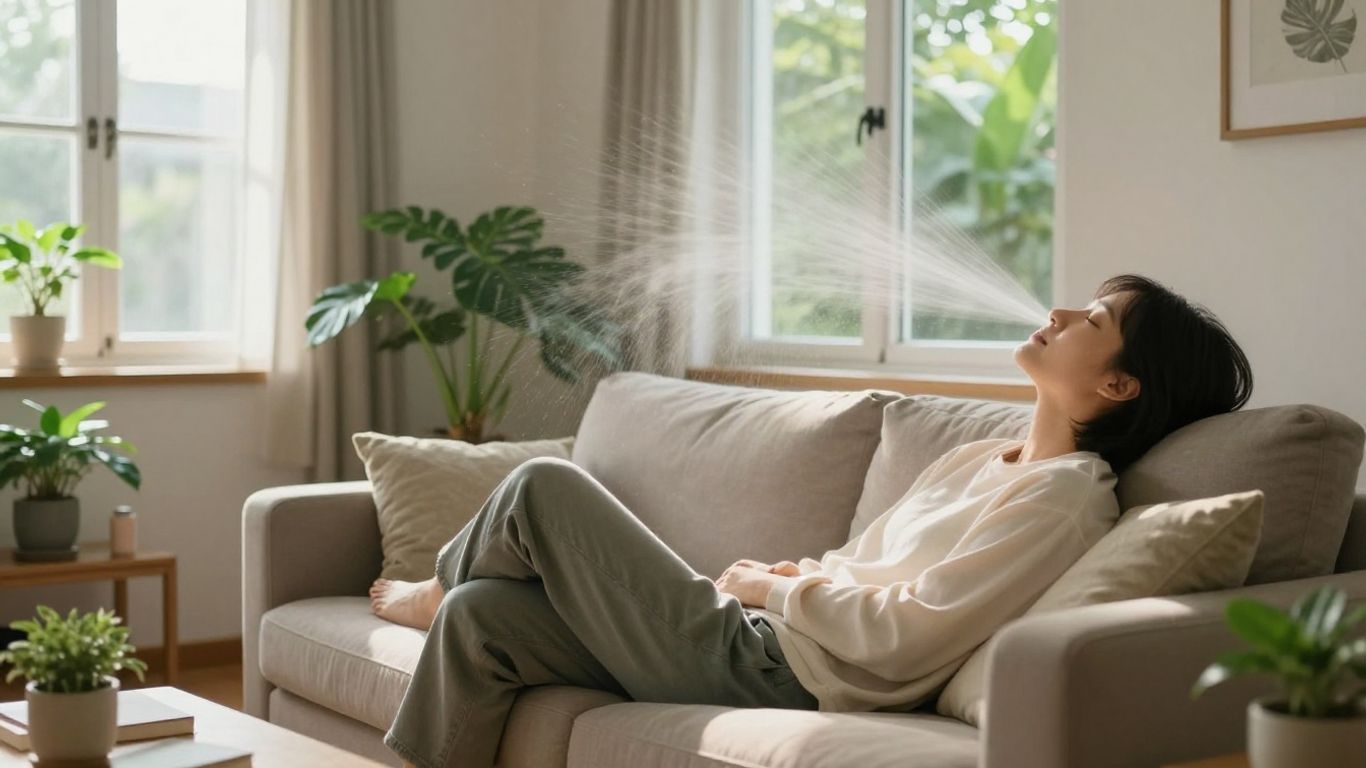
When spring arrives, we often think about opening windows to let in that fresh air. But for those of us battling allergies, simply opening a window can let in a whole lot of pollen and other outdoor irritants. That’s where optimizing our home’s ventilation becomes really important. We need systems that bring in fresh air without bringing in all the unwanted guests from outside.
The Role of Air Exchangers in Allergy Season
Air exchangers, often called Heat Recovery Ventilators (HRVs) or Energy Recovery Ventilators (ERVs), are fantastic for allergy season. They work by exchanging stale indoor air with fresh outdoor air. The key benefit is that they do this while filtering the incoming air. Think of it as a controlled way to get fresh air without the pollen shower. These systems are designed to minimize heat loss or gain, so you can get that fresh air without a drastic change in your home’s temperature. For allergy sufferers, this means a steady supply of cleaner air, reducing the concentration of allergens circulating indoors.
Maximizing Fresh Air Intake with Smart Systems
Smart ventilation systems go a step further. They can be programmed to adjust based on indoor air quality sensors or even outdoor pollen counts. We can set them to increase air exchange rates during times when pollen is less active, like early mornings or after rain. Some systems even integrate with smart home hubs, allowing us to control them remotely. This proactive approach helps us manage our indoor environment before allergens become a major problem.
Here are a few ways we can make the most of our ventilation:
- Regularly check and clean or replace filters in your air exchanger. A clogged filter can’t do its job effectively.
- Schedule maintenance for your ventilation system annually to ensure it’s running efficiently.
- Consider using higher MERV-rated filters if your system can handle them, as these capture smaller particles.
- Integrate with smart home technology for automated adjustments based on real-time conditions.
Proper ventilation isn’t just about comfort; it’s a key strategy for maintaining a healthier living space, especially when seasonal allergens are at their peak. We want to breathe easy, and that means being smart about how we bring the outside in.
We can also look at the efficiency of our current setup. If you have an older home, you might be losing a lot of conditioned air through leaks. Sealing these up can make your ventilation system work better and more efficiently. It’s a two-pronged approach: improve the system itself and make sure the house is sealed well enough for the system to do its job without wasting energy.
Maintain a Pristine Living Environment
Even with the best air filters and ventilation, keeping our homes clean is a big part of managing spring allergies. We often forget how much dust, pollen, and other tiny particles can settle on surfaces, just waiting to be stirred up again. So, let’s talk about how we can tackle this.
Regular Cleaning to Combat Airborne Allergens
This is where we really need to be diligent. Think about all the places allergens can hide: carpets, upholstery, curtains, even the tops of cabinets. Consistent cleaning is our best defense against these microscopic invaders.
Here’s a practical approach we can take:
- Vacuum frequently: Aim for at least twice a week, especially in high-traffic areas. Use a vacuum with a HEPA filter to trap fine particles instead of just blowing them back into the air. Don’t forget to vacuum furniture and curtains too.
- Dust with damp cloths: Dry dusting can just move allergens around. Using a damp microfiber cloth traps dust and pollen effectively. Pay attention to baseboards, shelves, and any other surfaces where dust likes to gather.
- Wash bedding and curtains regularly: Sheets, pillowcases, and blankets can collect a lot of allergens. Washing them in hot water weekly helps kill dust mites. Curtains and other fabric window treatments should be washed or dry-cleaned a few times during allergy season.
- Clean air vents and fans: These can become dust magnets. Wipe them down regularly to prevent them from recirculating allergens.
Humidity Control for Healthier Indoor Air Quality
Controlling the humidity in our homes plays a surprisingly large role in how we experience allergies. High humidity can encourage the growth of mold and dust mites, both common allergy triggers. On the other hand, air that’s too dry can irritate our nasal passages, making us more susceptible to allergens.
We should aim for an indoor humidity level between 30% and 50%. Here’s how we can manage it:
- Use a dehumidifier: In damp areas like basements or bathrooms, a dehumidifier can significantly reduce moisture levels, making it harder for mold and dust mites to thrive.
- Use a humidifier: If our air tends to be dry, especially during cooler months or if we use a lot of heating, a humidifier can add moisture back. Just be sure to clean it regularly to prevent mold growth within the unit itself.
- Ventilate bathrooms and kitchens: Always use exhaust fans when showering or cooking. This helps remove excess moisture before it can spread throughout the house.
- Fix leaks promptly: Any water leaks from pipes, roofs, or windows should be repaired immediately to prevent mold from developing.
Keeping our indoor spaces clean and at the right humidity level isn’t just about comfort; it’s a proactive step we can take to reduce the allergens that make spring so challenging for many of us. It requires a bit of effort, but the payoff in breathing easier is well worth it.
Wrapping Up Our Indoor Air Quality Journey
So, we’ve talked about how pollen and other spring irritants can really make life tough indoors. It’s not fun when you’re trying to escape the outside mess, only to find your own home isn’t much better. But the good news is, we have some simple ways to improve things. By paying attention to our air filters, maybe getting a good air purifier, and just keeping things clean, we can make a real difference. It might take a little effort, but breathing easier in our own homes is totally worth it. Let’s all try to make our indoor spaces a bit more comfortable this spring.
Frequently Asked Questions
How can we make our home’s air cleaner to help with allergies?
We can improve our home’s air by using better filters in our heating and cooling systems. Think of these filters like a screen that catches tiny bits of dust, pollen, and other things that make us sneeze. We also suggest looking into special machines called air purifiers that can clean the air even more. Making sure our vents are clean and letting fresh air in regularly also makes a big difference.
What’s the best way to keep allergens out of our house during allergy season?
To keep allergens out, we should clean our homes often. This means vacuuming carpets, dusting surfaces, and washing bedding regularly. It’s also smart to keep windows closed when pollen counts are high. Controlling the moisture in our homes is key too; too much dampness can encourage mold, which is another allergy trigger. Using a dehumidifier can help with this.
Are there special systems we can use to ensure cleaner air inside our homes?
Yes, there are several systems we can use. High-efficiency particulate air (HEPA) filters are very effective at trapping small allergy-causing particles. We can also install whole-house air filtration systems that work with our existing heating and cooling. Another helpful option is an energy recovery ventilator (ERV) or heat recovery ventilator (HRV), which brings in fresh outside air while removing stale indoor air, without losing too much energy.


