

We’re looking at getting a new heat pump or maybe even an EV charger soon. It sounds exciting, but we know it means checking out our electrical panel. It’s not something we think about much, but it’s pretty important for making sure everything runs right and stays safe. This article is about what we need to do to get our panel ready for these new additions, focusing on the heat pump installation preparation.
Key Takeaways
- We need to figure out how much power our house uses now before adding a heat pump or EV charger. This helps us know if our current electrical panel can handle the extra load or if we need an upgrade. It’s about making sure we don’t overload the system.
- Sometimes, adding a heat pump means we’ll need a bigger electrical panel. The process involves a professional electrician who will assess our needs, get the right permits, and do the actual upgrade work. This is a big step for heat pump installation preparation.
- For a heat pump, we’ll likely need its own dedicated circuit. This keeps it running smoothly and safely. Getting a professional to look at our electrical setup is the best way to be sure everything is ready for the new heat pump installation preparation.
Assessing Your Electrical Panel’s Capacity
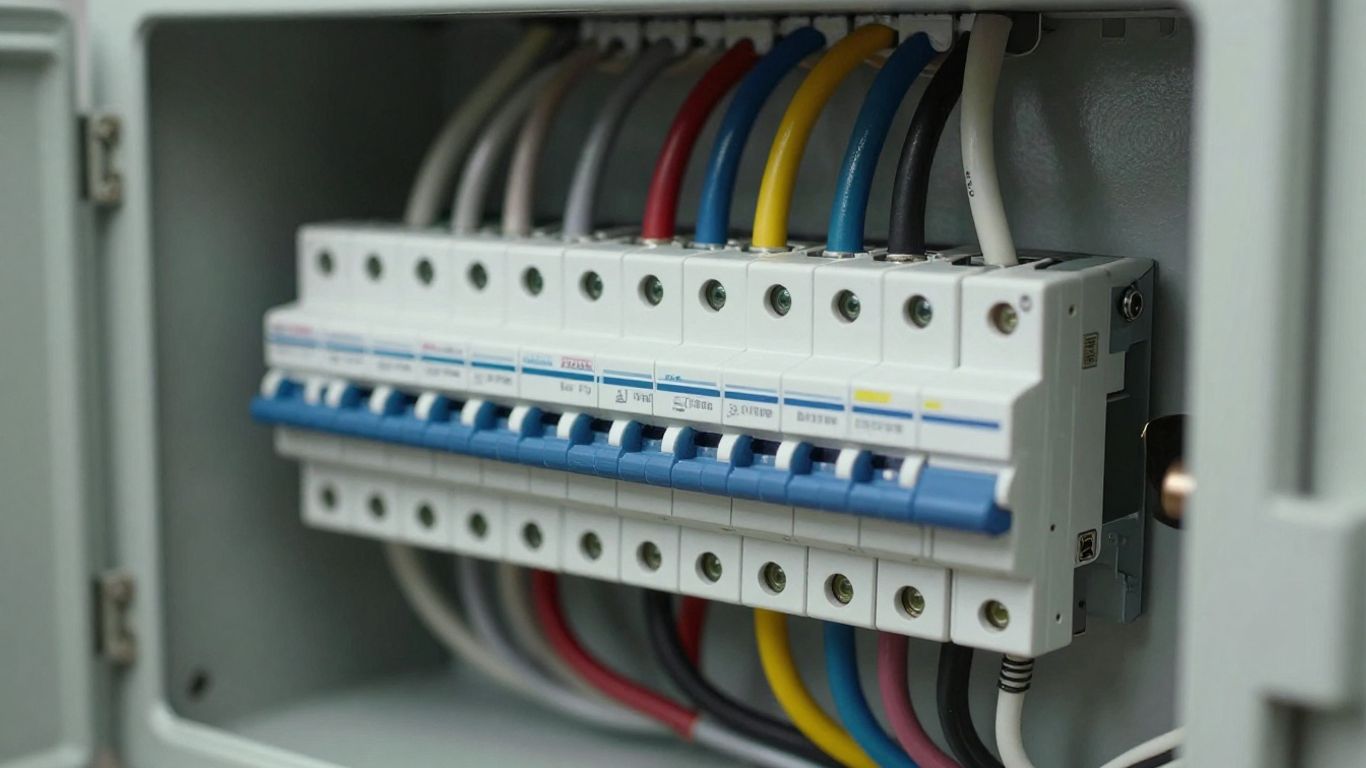
Before we even think about adding a new heat pump or an EV charger, we need to take a good, hard look at our current electrical panel. It’s like checking if your house’s main water pipe can handle a new, high-flow showerhead before you buy it. We don’t want to overload anything and cause problems.
Understanding Your Current Load
What’s already running in your house? We need to get a handle on that. Think about all the appliances and devices that draw power regularly. This includes things like your refrigerator, oven, air conditioner (if you have one now), lights, computers, and anything else that’s plugged in and used often. We’re not talking about the toaster you use for five minutes in the morning, but the big power users. We can often find a list of your home’s existing circuits and their breaker sizes on the panel door or inside it. It’s a good idea to jot these down.
- Major appliances (fridge, oven, washer/dryer)
- HVAC systems (furnace, existing AC)
- Water heater
- Lighting circuits
- General outlets
We need to get a realistic picture of how much power your home uses on a typical day, especially during peak times when many things might be running at once. This gives us a baseline.
Determining Required Amperage for New Equipment
Now, let’s talk about what the new equipment needs. Heat pumps and EV chargers are power-hungry. Your heat pump, especially during colder months when it’s working harder, will need a significant amount of electricity. Similarly, an EV charger, depending on its speed, can draw a lot of power. We need to find out the specific amperage requirements for the models you’re considering. This information is usually in the product’s manual or on the manufacturer’s website. It’s vital to know these numbers before proceeding. For example, a Level 2 EV charger might need a 40-amp or even a 60-amp dedicated circuit, and a heat pump could require a similar or even higher rating, depending on its size and type.
Here’s a simplified look at typical requirements (always check your specific models):
| Equipment Type | Typical Amperage Requirement | Notes |
|---|---|---|
| Heat Pump | 30-60 Amps | Varies greatly by size and efficiency |
| Level 2 EV Charger | 30-60 Amps | Depends on charging speed |
Once we have the load of our existing appliances and the needs of the new equipment, we can start to see if our current panel has enough capacity. If the total demand exceeds what the panel can safely provide, an upgrade will be necessary.
Upgrading Your Electrical Panel for Heat Pump Installation
So, you’re thinking about getting a new heat pump. That’s great for comfort and maybe even saving some money on energy bills. But before you get too excited, we need to talk about your electrical panel. It’s the heart of your home’s electrical system, and sometimes, it just can’t handle the extra load a heat pump needs.
When Panel Upgrades Are Necessary
We often find that older homes, especially those built before modern appliances became standard, have electrical panels that are simply too small. They might have been fine for a few lights and a refrigerator, but a heat pump is a different beast entirely. It draws a significant amount of power, particularly when it’s starting up or running in very cold weather. If your current panel is already maxed out with existing circuits, adding a heat pump without an upgrade could lead to tripped breakers, or worse, a safety hazard. We’ll need to assess your panel’s total amperage and compare it to the combined needs of your existing appliances plus the new heat pump. If the numbers don’t add up, an upgrade is almost certainly in your future.
Here are some signs that suggest you might need a panel upgrade:
- Your circuit breakers trip frequently, even with normal use.
- You notice flickering lights when major appliances turn on.
- Your home has many electrical additions over the years without a corresponding electrical system update.
- Your current panel is an older model, like a Federal Pacific Electric or Zinsco, which are known for safety issues.
The Process of a Panel Upgrade
Upgrading your electrical panel isn’t a DIY job. It involves working with high-voltage electricity, and safety is paramount. Here’s generally what we do:
- Assessment: We start by looking at your current panel, your home’s total electrical usage, and the specific requirements of the heat pump you plan to install. This helps us figure out the new amperage your system will need.
- Permitting: Depending on where you live, we’ll need to get permits from your local building department. This is a standard part of the process to make sure the work meets safety codes.
- Installation: This is the main event. We’ll carefully disconnect power to your home, remove the old panel, and install a new, larger panel. This new panel will have more breaker slots and a higher amperage rating.
- New Circuits: We’ll run new wiring for the heat pump and any other circuits that need to be moved or added. This often includes a dedicated circuit for the heat pump, which is a big deal for reliability and safety.
- Inspection: Once everything is installed, a building inspector will come out to check our work and make sure it meets all the required safety standards.
It’s important to remember that a panel upgrade isn’t just about making space for a new appliance. It’s about ensuring your entire home’s electrical system is safe, reliable, and ready for the demands of modern living. Think of it as future-proofing your home’s power.
We’ll also make sure the new panel has enough room for future additions, like an electric vehicle charger or other high-demand appliances you might consider down the line. It’s a bit of an investment, but it’s one that pays off in safety and convenience.
Ensuring Safe and Efficient Heat Pump Installation
Dedicated Circuits for Heat Pumps
When we install a new heat pump, it’s not just a simple plug-and-play situation. These units draw a significant amount of power, especially when they kick on or during defrost cycles. To keep things running smoothly and safely, we always recommend, and often require, a dedicated circuit for your heat pump. This means that the circuit breaker in your electrical panel that powers the heat pump is exclusively for that appliance.
Why is this so important? Well, imagine trying to run your microwave, toaster, and a space heater all on the same circuit. You’d likely trip the breaker pretty quickly. A heat pump is no different, but on a much larger scale. Sharing a circuit with other appliances, especially high-draw ones like dryers or ovens, can lead to:
- Overloaded circuits: This is the most common issue, leading to tripped breakers and a loss of heating or cooling.
- Damage to the heat pump: Inconsistent power can stress the unit’s components, potentially shortening its lifespan.
- Fire hazards: In severe cases, an overloaded circuit can overheat wires, posing a serious fire risk.
A dedicated circuit provides a stable and sufficient power supply, allowing your heat pump to operate at its best. This is a key step in making sure your investment works properly and safely for years to come.
Professional Electrical Assessment for Heat Pump Installation Preparation
Before we even think about hooking up the new heat pump, we need to make sure your electrical system is ready for the job. This is where a professional electrical assessment comes in. We’ll come out and take a good look at your current setup. This isn’t just a quick glance; we’re checking a few things:
- The overall condition of your electrical panel: Is it old? Are the breakers in good shape? Are there any signs of wear or damage?
- The available space and capacity: Do we have room for a new breaker? Does your panel have enough overall amperage to handle the added load of the heat pump?
- The existing wiring: Is the wiring to where the heat pump will be located adequate for the new appliance’s needs?
Sometimes, we find that the existing panel is simply too old or too small to safely accommodate the power requirements of a modern heat pump. In these cases, a panel upgrade is necessary. We’ll discuss this with you upfront, explaining exactly why it’s needed and what the process involves.
We can’t stress enough how important it is to have a qualified electrician evaluate your system before installing a heat pump. Trying to cut corners here can lead to expensive repairs or even dangerous situations down the line. It’s better to do it right the first time.
This assessment helps us plan the installation properly, identify any potential issues early on, and give you a clear picture of what needs to be done. It’s all about making sure your new heat pump works efficiently and, most importantly, safely.
Wrapping Up
So, we’ve gone over why checking your electrical panel is a good idea before adding something big like a heat pump or an EV charger. It might seem like a small step, but it really matters for safety and making sure everything works right. Don’t just guess about your home’s electrical setup; get a professional to take a look. They can tell you if your panel is ready for the upgrade or if it needs some work. Taking care of this now saves a lot of headaches later on. It’s about making sure your home is set up for the future, safely and reliably.
Frequently Asked Questions
How do we know if our electrical panel can handle a new heat pump or EV charger?
We need to check how much power your home currently uses. Think of it like a highway; we need to see if there’s enough space for new, bigger vehicles. We’ll look at your panel’s total capacity and compare it to the power needs of your existing appliances and the new equipment you plan to add. If the new items require more power than your panel can safely provide, an upgrade will be necessary.
What happens if our electrical panel isn’t big enough?
If your current panel can’t handle the extra power draw from a new heat pump or EV charger, we’ll need to upgrade it. This means replacing your old panel with a new one that has more capacity. It’s like getting a bigger electrical ‘highway’ to accommodate the increased traffic. This is a job for a qualified electrician to ensure it’s done safely and correctly.
Do we need a special circuit for a heat pump?
Yes, we generally do. Heat pumps, especially, often require their own dedicated circuit. This means a direct line from the electrical panel just for the heat pump. This prevents other appliances from overloading the circuit when the heat pump is running, ensuring it operates efficiently and safely without tripping breakers.


