

As the seasons change, so do the demands on our commercial properties. We need to think about how the temperature shifts will affect our buildings, especially our heating and cooling systems. Taking steps now can save us a lot of trouble and money down the line. Let’s look at what we can do to get ready for both the cold and the heat.
Key Takeaways
- We should winterize our properties by protecting HVAC systems and sealing the building envelope to prevent heat loss.
- Preparing for warmer months means optimizing cooling efficiency and making sure ventilation is working properly.
- Regular maintenance keeps our HVAC systems running well, and for smaller spaces, we might consider residential HVAC solutions.
Winterizing Your Commercial Property
As the temperatures drop, we need to think about getting our commercial properties ready for the cold. It’s not just about turning down the thermostat; it’s about protecting our investments and keeping our spaces comfortable and safe. We’ll cover how to winterize effectively, focusing on two main areas: protecting our HVAC systems and sealing up the building envelope.
Protecting HVAC Systems
Our heating, ventilation, and air conditioning (HVAC) systems work overtime in the winter. We need to make sure they’re in good shape before the really cold weather hits. Neglecting HVAC maintenance can lead to costly breakdowns when we need them most.
Here’s what we should do:
- Schedule a professional tune-up: Have a qualified technician inspect and service your heating system. They’ll check for any potential issues, clean components, and make sure everything is running efficiently.
- Change air filters: Dirty filters restrict airflow and make your system work harder. We should change them regularly, especially before winter.
- Insulate exposed pipes: Any pipes carrying hot water or located in unheated areas could be at risk of freezing. Insulating them can prevent damage and water loss.
- Check thermostat settings: Make sure your programmable thermostat is set correctly to save energy when the building is unoccupied, but still maintain a safe temperature.
We should also consider draining and storing any exterior hoses or sprinkler systems. Water left in these can freeze, expand, and cause significant damage to pipes and fixtures. It’s a simple step that saves a lot of trouble.
Sealing Building Envelope
An airtight building envelope is key to keeping the heat in and the cold out. This means looking at walls, windows, doors, and the roof. We want to stop drafts and prevent heat from escaping.
- Inspect windows and doors: Look for gaps or cracks around frames. We can use caulk or weatherstripping to seal these leaks. For older buildings, consider adding storm windows or heavy-duty curtains.
- Check for roof and wall leaks: Small issues can become big problems when exposed to moisture and freezing temperatures. We should inspect the roof for any damage and check walls for cracks or openings where cold air can get in.
- Seal attic and basement penetrations: Any place where pipes, wires, or vents pass through the attic or basement walls should be sealed to prevent air leaks.
- Consider insulation upgrades: If your building’s insulation is old or insufficient, now might be the time to look into adding more. Proper insulation makes a big difference in energy efficiency and comfort.
Preparing for Warmer Months
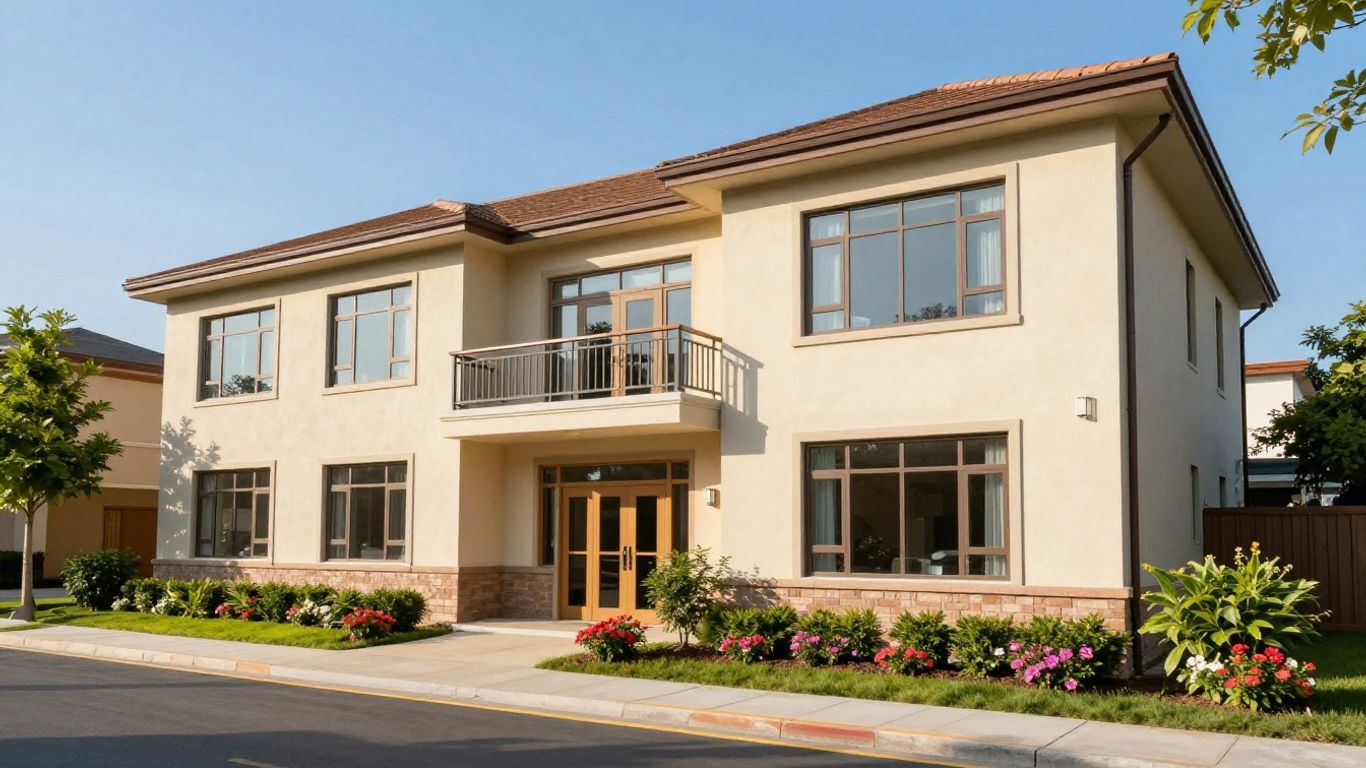
As the seasons shift, we need to think about how our commercial properties will handle the coming warmth. It’s not just about comfort; it’s about keeping things running smoothly and saving money. We’ll look at how to make sure our cooling systems are ready and that the air inside stays fresh and healthy.
Optimizing Cooling Efficiency
When the temperature outside starts to climb, our cooling systems work overtime. To help them out, we should first check the air filters. Dirty filters make the system work harder and use more energy. Replacing them regularly is a simple step that makes a big difference. We also need to make sure the outdoor unit, the part that sits outside, is clear of any debris like leaves or branches. This lets it breathe properly. Checking the refrigerant levels is also important; low levels mean the system can’t cool effectively. We might want to schedule a professional check-up before the heat really hits to catch any small issues before they become big problems. Think about sealing any gaps around windows and doors too. Even small leaks let cool air escape, making the AC run longer than it needs to.
Ensuring Proper Ventilation
Good ventilation is key to keeping the air inside our buildings fresh and comfortable, especially when it’s hot. Stale air can feel stuffy and might even carry odors or pollutants. We should check that our ventilation systems are working correctly. This means making sure vents aren’t blocked by furniture or other items. If we have exhaust fans in places like restrooms or kitchens, we need to confirm they’re operational. They help remove moisture and odors. For larger spaces, we might consider systems that bring in fresh outside air while exhausting stale indoor air. This process helps regulate temperature and humidity.
Proper airflow isn’t just about comfort; it plays a role in preventing mold growth and maintaining a healthier environment for everyone inside. We should pay attention to how the air moves throughout the building.
Here are a few things to look at:
- Inspect all vents and air returns for obstructions.
- Test exhaust fans in key areas like kitchens and bathrooms.
- Consider a professional assessment of your building’s overall ventilation strategy.
- Look for ways to improve natural ventilation where possible, like opening windows during cooler parts of the day if security allows.
Proactive Maintenance for HVAC Longevity
We all want our heating and cooling systems to last as long as possible, right? It just makes sense to take good care of them. Regular check-ups and a bit of foresight can save us a lot of headaches and money down the road. Think of it like taking your car in for its scheduled oil changes; you wouldn’t skip those, and your HVAC system deserves the same attention.
Regular Inspections and Tune-Ups
Getting a professional to look at your HVAC system at least once a year, ideally before the peak heating or cooling season, is a smart move. They can spot small issues before they become big, expensive problems. We’re talking about things like checking refrigerant levels, cleaning coils, inspecting electrical connections, and making sure the thermostat is working right. A well-maintained system runs more efficiently, which means lower energy bills for us. It also helps prevent unexpected breakdowns when we need the system the most.
Here’s a quick rundown of what a typical tune-up might involve:
- Cleaning or replacing air filters
- Checking and cleaning condenser and evaporator coils
- Inspecting and cleaning the condensate drain line
- Testing thermostat operation
- Lubricating moving parts
- Checking electrical connections and tightening them
- Measuring refrigerant levels (if applicable)
Skipping these regular check-ups is like ignoring a small leak in your roof. It might seem minor at first, but over time, it can lead to significant water damage and costly repairs. The same principle applies to your HVAC system; small issues left unaddressed can snowball into major failures.
Considering Residential HVAC Solutions for Smaller Spaces
Sometimes, a large commercial HVAC unit might be overkill for certain areas of a property, like a small office, a break room, or a reception area. In these cases, we might want to look into smaller, residential-style HVAC units. These can be more energy-efficient for those specific zones and are often less expensive to install and maintain than a full commercial system. We’ve found that using these targeted solutions can really help manage energy costs and provide comfort exactly where it’s needed without wasting resources on unoccupied or less-used spaces. It’s about being smart with our investments and making sure our systems fit the actual needs of the space.
Getting Ready for What’s Next
As we wrap up our discussion on preparing commercial properties for the changing seasons, we hope we’ve given you some practical ideas. Taking these steps now can save a lot of trouble down the road, keeping your buildings comfortable and your costs down. It’s about being proactive, not reactive. We know that managing property can be a lot, but a little attention to these seasonal needs can make a big difference for everyone who uses the space. Let’s get these properties ready for whatever the weather brings.
Frequently Asked Questions
Why is it important to get our heating and cooling systems checked before the seasons change?
We need to check our heating and cooling systems regularly. Doing this helps us make sure they work well when we need them most, like during very cold winters or hot summers. It also helps us catch small problems before they become big, expensive repairs, saving us money and keeping our building comfortable.
What are some simple ways we can keep our building from losing heat in the winter or cool air in the summer?
To keep our building comfortable, we can seal up any cracks or gaps around windows and doors. This stops warm air from escaping in the winter and cool air from getting out in the summer. We should also check that our walls and roof are well-insulated, like wearing a good coat in the cold.
How often should we have our building’s heating and cooling equipment looked at by a professional?
We recommend having our building’s heating and cooling equipment professionally inspected at least once a year. Ideally, we should have the heating system checked in the fall before it gets cold, and the cooling system checked in the spring before it gets hot. This ensures everything is in good shape and ready to go.


