
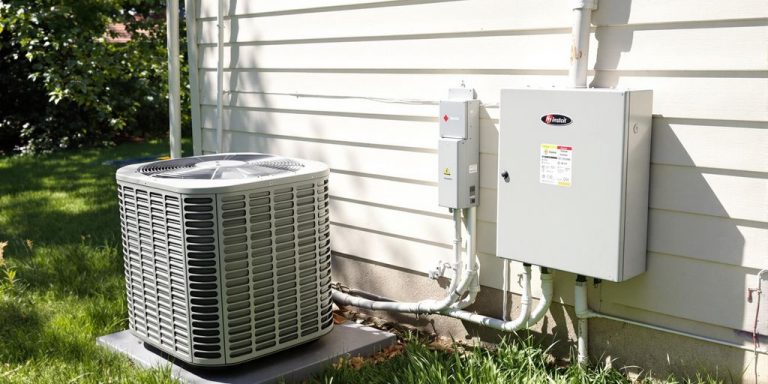
We want our homes to be comfy and work well. A big part of that is making sure our heating, ventilation, and air conditioning (HVAC) system and electrical stuff are in good shape. It’s not just about staying warm or cool. It’s also about saving money and keeping our families safe. Regular check-ups for these systems are super important. Let’s talk about how we can make sure our homes are running smoothly and efficiently.
Key Takeaways
- Regular hvac maintenance helps your system last longer and saves you money on energy bills.
- A complete hvac maintenance plan should include seasonal check-ups, filter changes, and looking at refrigerant levels.
- Good electrical system health stops dangers and makes sure your appliances get enough power.
- It’s a good idea to check electrical parts when you do hvac maintenance, like thermostat wires and circuit breakers.
- While some DIY is good, getting pros for hvac maintenance means they can spot problems early and keep your warranty valid.
Understanding the Importance of Regular HVAC Maintenance
We often take our HVAC systems for granted, until they break down on the hottest or coldest day of the year. But did you know that regular maintenance can prevent many of these breakdowns and keep your system running efficiently? It’s true! Think of it like your car – you wouldn’t skip oil changes and tire rotations, would you? The same principle applies to your HVAC system. Neglecting it can lead to bigger, more expensive problems down the road.
Extending the Lifespan of Your HVAC System
Regular maintenance is like giving your HVAC system a long and healthy life. Wear and tear is inevitable, but with proper care, you can significantly extend the lifespan of your equipment. Think about it: a well-maintained system doesn’t have to work as hard, which reduces stress on its components. This means fewer repairs and a longer overall lifespan. We’re talking years here, folks! It’s an investment that pays off.
Improving Energy Efficiency and Reducing Utility Bills
An efficient HVAC system uses less energy to heat or cool your home, which translates directly into lower utility bills. A dirty filter, for example, forces your system to work harder, wasting energy and costing you money. Regular tune-ups ensure that all components are working optimally, maximizing efficiency and minimizing energy waste. It’s like getting a free discount on your energy bill every month!
Ensuring Optimal Indoor Air Quality
Your HVAC system plays a big role in the air quality inside your home. Dust, pollen, and other allergens can accumulate in your ducts and filters, circulating throughout your living space every time your system runs. Regular maintenance, including filter replacement and duct cleaning, helps remove these contaminants, improving your indoor air quality and creating a healthier environment for you and your family. It’s especially important for those with allergies or respiratory issues.
Maintaining your HVAC system isn’t just about comfort; it’s about protecting your health and your wallet. By investing in regular maintenance, you’re ensuring a comfortable, healthy, and energy-efficient home for years to come.
Key Components of a Comprehensive HVAC Maintenance Plan
To keep your heating and cooling systems running smoothly, a solid maintenance plan is key. It’s not just about waiting for something to break down; it’s about preventing problems before they even start. We’ve found that a proactive approach saves money and keeps your home comfortable year-round. Here’s what we include in a good HVAC maintenance plan:
Seasonal Tune-Ups and Inspections
Think of seasonal tune-ups as check-ups for your HVAC system. We usually recommend scheduling these in the spring and fall, before you really start relying on your AC or furnace. During a tune-up, a technician will inspect all the major components, clean things like coils and burners, and make sure everything is working as it should. This helps catch small issues before they turn into big, expensive repairs. It’s also a good time to check the overall efficiency of the system.
Filter Replacement and Duct Cleaning
Changing your air filters regularly is one of the easiest things you can do to maintain your HVAC system. A dirty filter restricts airflow, which makes your system work harder and can even cause it to overheat. We suggest checking your filter every month and replacing it every one to three months, depending on the type of filter and how often you use your system. Duct cleaning is another important aspect. Over time, dust, pollen, and other debris can accumulate in your ductwork, which can affect your indoor air quality and reduce the efficiency of your system. Professional duct cleaning can remove these contaminants and improve airflow.
Refrigerant Level Checks and Leak Detection
Refrigerant is what allows your AC to cool your home. If your refrigerant levels are low, your AC won’t be able to cool properly, and it will have to work harder, using more energy. A technician can check your refrigerant levels and add more if needed. They can also check for leaks, which can be a sign of a more serious problem. If there’s a leak, it needs to be repaired to prevent further damage and ensure your AC is working efficiently. We’ve seen firsthand how a small refrigerant leak can lead to a complete system failure if it’s not addressed promptly.
Regular maintenance is not just about fixing things when they break. It’s about preventing breakdowns in the first place. By keeping your HVAC system in good condition, you can extend its lifespan, improve its efficiency, and ensure that your home is always comfortable.
The Role of Electrical System Health in Home Comfort
It’s easy to overlook the electrical system when thinking about home comfort, but it plays a huge role. A properly functioning electrical system is more than just about keeping the lights on; it’s about safety, efficiency, and the reliable operation of all your appliances. Let’s explore why maintaining your electrical system is so important.
Preventing Electrical Hazards and Fire Risks
Faulty wiring, overloaded circuits, and outdated electrical panels can create serious fire hazards. Regular inspections can identify these problems before they lead to dangerous situations. We need to make sure that our homes are safe from electrical fires, and that starts with a thorough assessment of the electrical system. Think about it: a small spark can quickly turn into a major disaster. It’s better to be proactive and address potential issues early on.
- Check for frayed or damaged wiring.
- Ensure proper grounding of electrical outlets.
- Replace any outdated or malfunctioning circuit breakers.
Optimizing Power Delivery for Appliances
Appliances need a steady and reliable power supply to function correctly. Fluctuations in voltage or insufficient amperage can damage appliances and reduce their lifespan. Efficient power delivery not only protects your investments but also ensures that your appliances operate at their peak performance. We want our appliances to last as long as possible, and a healthy electrical system is key to that.
Identifying and Addressing Wiring Issues
Old or damaged wiring can cause a variety of problems, from flickering lights to complete power outages. Identifying and addressing these issues promptly can prevent more serious damage and ensure the safety of your home. We should pay attention to any signs of electrical problems and take action to resolve them quickly. It’s also a good idea to have a professional electrician inspect your wiring periodically to identify any hidden issues.
Ignoring electrical problems can lead to costly repairs and even put your family at risk. Regular inspections and maintenance are essential for ensuring the safety and efficiency of your home’s electrical system. Don’t wait until something goes wrong; take proactive steps to protect your home and family.
Integrating Electrical Inspections with HVAC Maintenance
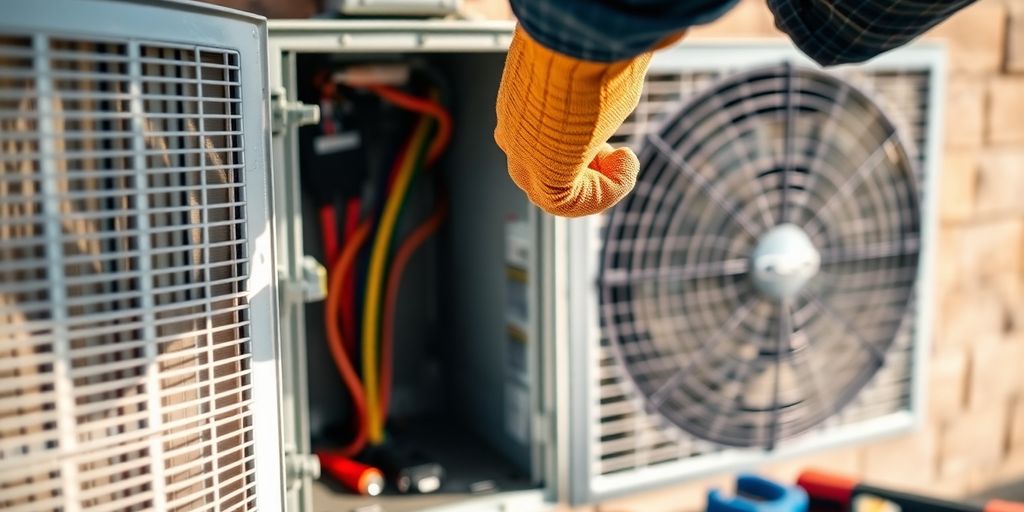
It’s easy to overlook the electrical side of your HVAC system, but it’s super important. Think of it this way: your HVAC is like a car, and electricity is the fuel. Without a healthy electrical system, your HVAC won’t run efficiently, or worse, it could become a safety hazard. We’re going to talk about how to integrate electrical inspections into your regular HVAC maintenance to keep everything running smoothly and safely.
Checking Thermostat Wiring and Connections
Your thermostat is the brain of your HVAC system, and its wiring is like the nervous system. If the wiring is loose, corroded, or damaged, it can cause all sorts of problems, from inaccurate temperature readings to complete system failure. We always check the thermostat wiring for any signs of wear and tear, ensuring that all connections are tight and secure. This simple step can prevent a lot of headaches down the road. It’s also a good idea to make sure your thermostat is properly calibrated. A miscalibrated thermostat can lead to your system running longer than necessary, wasting energy and increasing your utility bills.
Assessing Circuit Breaker Functionality
Your HVAC system’s circuit breaker is its first line of defense against electrical overloads. If the breaker is old or faulty, it might not trip when it’s supposed to, which can lead to serious damage or even a fire. We test the circuit breaker to make sure it’s functioning correctly and can handle the load of your HVAC system. A properly functioning circuit breaker is essential for safety. If we find any issues, we’ll recommend replacing the breaker to prevent potential problems. It’s a small investment that can save you a lot of trouble in the long run.
Inspecting Outdoor Unit Electrical Components
The outdoor unit of your HVAC system is exposed to the elements, which can take a toll on its electrical components. We inspect the wiring, connections, and capacitors to make sure everything is in good working order. Corrosion, loose connections, and damaged components can all lead to system inefficiencies and potential safety hazards. We also check the condition of the disconnect switch, which is used to shut off power to the unit for maintenance or repairs. A faulty disconnect switch can be a serious safety risk. Regular inspections can catch these problems early, preventing costly repairs and ensuring your system runs safely and efficiently.
By integrating electrical inspections into your HVAC maintenance routine, you’re not only extending the life of your system but also ensuring the safety of your home and family. It’s a small investment that pays off in peace of mind and reduced energy costs.
Here’s a quick checklist of what we look for during an electrical inspection of your HVAC system:
- Thermostat wiring and connections
- Circuit breaker functionality
- Outdoor unit electrical components
- Disconnect switch condition
Benefits of Professional HVAC Maintenance Services
Access to Specialized Tools and Expertise
When it comes to HVAC systems, some jobs are best left to the pros. We’re talking about specialized tools and in-depth knowledge that most homeowners just don’t have. Think about it: refrigerant gauges, combustion analyzers, and ductwork cameras aren’t exactly standard household items. Professional technicians come equipped with these tools, allowing them to diagnose and fix problems accurately and efficiently. They also have the training to interpret the data and make informed decisions about your system’s health. It’s like having a doctor for your HVAC – they know what to look for and how to treat it.
Early Detection of Potential Problems
One of the biggest advantages of professional HVAC maintenance is the ability to catch small issues before they turn into major headaches. During a routine check-up, a technician can spot things like:
- Loose electrical connections
- Minor refrigerant leaks
- Worn-out belts or bearings
Addressing these problems early can prevent costly repairs down the road. It’s like getting a regular check-up at the doctor – catching problems early can save you a lot of pain and money in the long run.
Think of it this way: a small leak in your car’s radiator, if ignored, can lead to engine overheating and major damage. Similarly, a minor issue in your HVAC system can snowball into a much bigger, more expensive problem if left unchecked.
Compliance with Warranty Requirements
Many HVAC manufacturers require regular professional maintenance as a condition of their warranty. Skipping these check-ups could void your warranty, leaving you on the hook for expensive repairs if something goes wrong. By hiring a qualified technician to perform routine maintenance, you’re not only protecting your system but also ensuring that your warranty remains valid. It’s a small price to pay for peace of mind.
DIY Tips for Maintaining Your HVAC System Between Professional Visits
While professional maintenance is key, there are things we can do ourselves to keep our HVAC systems running smoothly between those visits. These simple tasks can actually make a difference in the long run, preventing minor issues from becoming major headaches.
Regularly Cleaning Around Outdoor Units
It’s easy to forget about the outdoor unit, but keeping it clear of debris is important. Think of it like this: if it can’t breathe, it can’t work efficiently.
- Clear away leaves, grass clippings, and branches.
- Make sure shrubs are trimmed back at least two feet.
- Check for any obstructions that might block airflow.
Monitoring Unusual Noises or Odors
Our HVAC systems usually hum along quietly, so any strange noises or smells should raise a red flag. Ignoring these signs can lead to bigger problems down the road. If we catch something early, we can often prevent a costly repair.
- Listen for rattling, banging, or whistling sounds.
- Sniff for burning smells, musty odors, or anything unusual.
- If something seems off, don’t hesitate to call a professional.
Keeping Vents and Registers Unobstructed
Blocked vents and registers restrict airflow, making our HVAC system work harder and less efficiently. It’s a simple thing to check, but it can have a big impact on our comfort and energy bills.
- Make sure furniture, rugs, and curtains aren’t blocking vents.
- Check that registers are open and not covered with dust.
- Consider using vent deflectors to direct airflow where we need it most.
By taking these simple steps, we can help our HVAC systems run more efficiently and reliably. It’s all about being proactive and paying attention to the little things. A little effort can go a long way in keeping our homes comfortable and our energy bills down.
Scheduling Your Annual HVAC Maintenance for Peak Performance
Best Times for Spring and Fall Check-Ups
Figuring out when to schedule your HVAC maintenance can feel like a guessing game, but it doesn’t have to be. The best times are generally in the spring and fall, before you really start relying on your AC or heating system. Think of it as getting your car tuned up before a long road trip. Spring is ideal for AC maintenance, ensuring it’s ready for the summer heat. Fall is perfect for heating system checks, so you’re not left shivering when winter arrives. Doing it this way helps avoid the rush and potential delays when everyone else is scrambling for service during peak seasons.
Creating a Maintenance Calendar
Okay, so you know when to schedule, but how do you actually remember to do it? A maintenance calendar is your friend here. It doesn’t have to be fancy – a simple reminder on your phone or a note on your wall calendar works just fine. I like to set reminders a month or two in advance, giving me time to shop around for the best deals and availability. Here’s what I usually include:
- HVAC filter replacement (mark every 1-3 months)
- Schedule spring AC check-up (March/April)
- Schedule fall heating check-up (September/October)
Pro tip: Sync your HVAC maintenance calendar with other home maintenance tasks, like checking smoke detectors or cleaning gutters. This way, you can tackle multiple chores at once and stay on top of everything.
Finding a Reputable HVAC Maintenance Provider
Finding a good HVAC technician is like finding a good doctor – you want someone you can trust. Start by asking friends, family, or neighbors for recommendations. Online reviews can also be helpful, but take them with a grain of salt. Look for providers with:
- Proper licensing and insurance
- Positive customer feedback
- Clear pricing and service agreements
Don’t be afraid to get quotes from multiple providers before making a decision. Ask about their experience, certifications, and what their maintenance services include. A little research can save you a lot of headaches (and money) in the long run.
Conclusion
So, there you have it. Taking care of your home’s HVAC and electrical systems might seem like a lot, but it really pays off. We’ve seen how regular check-ups can keep things running smoothly, help you save money on energy bills, and even make your home a nicer place to be. It’s not just about fixing things when they break; it’s about staying ahead of problems. A little bit of effort now can save you a lot of headaches later. We hope this helps you feel more ready to tackle those maintenance tasks and keep your home in good shape.
Frequently Asked Questions
How often should we have our HVAC system looked at by a professional?
We suggest getting your HVAC system checked out by a pro at least once a year. It’s a good idea to do this in the spring before you need your air conditioning a lot, and again in the fall before the heating season kicks in. This helps make sure everything is running smoothly and efficiently.
Can regular HVAC upkeep really help us save money on our energy bills?
Absolutely! Regular check-ups help your system work its best, which means it uses less energy. When your HVAC isn’t working so hard, your energy bills usually go down. It’s like getting more miles per gallon from your car.
How does our home’s electrical system affect how well our HVAC works?
If your electrical system isn’t in good shape, it can cause problems for your HVAC. For example, bad wiring or old circuit breakers might not give your HVAC enough power, making it work harder or even break down. It’s all connected!
Are there some HVAC maintenance tasks we can do ourselves, or should we always call a pro?
While there are some simple things you can do yourself, like changing air filters and keeping the area around your outdoor unit clean, many tasks need special tools and knowledge. Things like checking refrigerant levels or fixing electrical issues are best left to the experts to keep everyone safe and make sure the job’s done right.
How does keeping our HVAC system in good shape help with the air quality inside our home?
A well-maintained HVAC system helps keep the air in your home cleaner. When filters are changed regularly and ducts are clean, less dust, allergens, and other tiny particles get blown around. This is especially good for anyone in your family with allergies or breathing problems.
What are the main benefits of signing up for a regular HVAC maintenance plan?
When you have a maintenance plan, it means someone will regularly check your system. This helps catch small problems before they become big, expensive ones. It can also help your system last longer, so you don’t have to buy a new one as often. Plus, it often includes priority service if something does go wrong.


