

When the temperature really climbs, our air conditioners work overtime. Sometimes, they just can’t keep up, and we end up with a stuffy house. We’ve all been there, right? That uncomfortable feeling when the cool air just isn’t coming through. It can be really frustrating, especially when you’re trying to find some relief. We’ll look at some common AC issues and what we can do about them.
Key Takeaways
- Knowing when to call for ac repair for homes is important. Small problems can become big ones if ignored.
- We can often spot AC problems ourselves. Look for strange noises, weak airflow, or water leaks.
- Keeping up with maintenance helps our ACs run better, especially when we need them most.
Troubleshooting Common AC Issues
When the mercury starts to climb, our air conditioners work overtime. Sometimes, despite our best efforts, they falter. We’ve all been there, right? That moment you realize your cool oasis is turning into a sauna. It’s important to know when a simple fix is within reach and when it’s time to call in the pros.
When to Call for AC Repair for Homes
We often try to tackle small issues ourselves, and that’s fine for some things. But with AC units, especially during a heatwave, it’s usually best to know your limits. If you notice any of these signs, it’s probably time to pick up the phone:
- No Airflow or Weak Airflow: If your vents are blowing air, but it feels barely there, or not blowing at all, there could be a serious issue with the fan motor or refrigerant levels.
- Strange Noises: Grinding, squealing, or banging sounds coming from your unit are never good. These often point to mechanical problems that need immediate attention.
- Ice Buildup: Seeing ice on your AC unit, especially on the refrigerant lines, indicates a problem with airflow or low refrigerant. Running it like this can cause more damage.
- Water Leaks: While a little condensation is normal, significant water pooling around the indoor or outdoor unit suggests a blockage or a refrigerant leak.
- Unpleasant Odors: Musty smells can mean mold growth inside the unit, while burning smells are a serious warning sign of electrical issues.
We understand the urge to try and fix things yourself, especially when you’re trying to save money. However, AC systems are complex, and a misstep could lead to more expensive repairs or even safety hazards. It’s often more cost-effective in the long run to have a qualified technician assess the problem.
Identifying Signs of AC Malfunction
Catching a problem early can save you a lot of discomfort and money. Keep an ear and an eye out for these common indicators that your AC might be struggling:
- Rising Energy Bills: If your electricity bill suddenly spikes without a change in usage, your AC might be working harder than it should to cool your home.
- Inconsistent Cooling: Some rooms might be cool while others remain warm, even when the thermostat is set to a consistent temperature. This points to issues with air distribution or the cooling system itself.
- Thermostat Issues: If the thermostat isn’t responding, showing incorrect temperatures, or cycling the AC on and off erratically, it might need calibration or replacement.
- Short Cycling: The AC unit turns on and off frequently, without completing a full cooling cycle. This can be caused by an oversized unit, dirty filters, or refrigerant problems.
- Reduced Air Quality: If you notice more dust or allergens in the air, or if the air feels unusually humid, your AC’s filter might be clogged, or there could be an issue with the dehumidification process.
Ensuring Optimal AC Performance
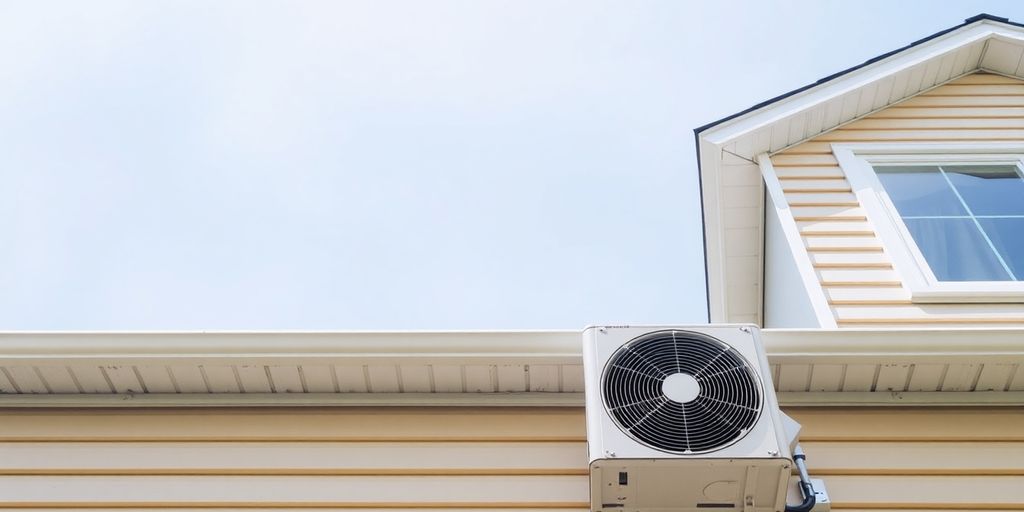
Keeping your air conditioner running well, especially when the temperatures really climb, is something we all want. It’s not just about comfort; it’s about making sure the system doesn’t give up on us when we need it most. We can do a few things to help our AC units work their best.
Preventative Maintenance for Your Air Conditioner
Think of preventative maintenance like giving your AC a regular check-up. It helps catch small issues before they become big, expensive problems. We should all get into the habit of doing some basic checks ourselves, and then having a professional look at it once a year. It really makes a difference.
- Clean or Replace Air Filters: This is probably the easiest and most important thing we can do. Dirty filters block airflow, making the AC work harder. We should check them monthly and swap them out when they look grimy. It’s a simple step that saves energy and wear and tear.
- Clear Debris Around the Outdoor Unit: The unit outside needs space to breathe. We need to make sure plants, leaves, or any other junk aren’t blocking the vents. Keeping the area clear helps the unit release heat properly.
- Check for Leaks and Blockages: Look at the condensate drain line. If it’s clogged, water can back up, potentially causing water damage or shutting down the system. A simple flush with a bleach or vinegar solution can often clear minor clogs.
We often forget that our AC units are mechanical systems that need care. Just like a car, regular attention prevents breakdowns. It’s better to spend a little time and money on upkeep than to face a costly repair in the middle of a heatwave.
Maximizing Efficiency During Peak Demand
When it’s scorching outside, our ACs are working overtime. There are smart ways to help them out and keep our homes cool without running up a huge electricity bill.
- Use a Programmable Thermostat: Setting the thermostat a few degrees higher when we’re not home or overnight can save a lot of energy. We can program it to cool the house down just before we need it to be comfortable again.
- Seal Air Leaks: Check around windows and doors for drafts. Using weatherstripping or caulk can stop cool air from escaping and hot air from getting in. This makes a big difference in how hard the AC has to work.
- Use Fans: Ceiling fans or portable fans don’t cool the air, but they move it around, creating a wind chill effect that makes us feel cooler. This means we can often set the thermostat a bit higher and still feel comfortable, saving energy.
- Limit Heat-Generating Activities: Try to do things like cooking or running the dishwasher during cooler parts of the day, like early morning or late evening. These appliances generate heat, making the AC work harder to compensate.
Staying Cool When It Counts
We’ve gone over some of the usual suspects when your air conditioner decides to take a break during the hottest parts of the year. Simple things like cleaning filters or checking the thermostat can often get things running again. For more involved issues, like strange noises or a unit that just won’t cool, it’s usually best to call in a professional. Trying to fix complex problems yourself can sometimes make things worse, and nobody wants that when the temperature is soaring. Remember, a little regular upkeep can go a long way in preventing a breakdown when you need your A/C the most. Stay cool out there!
Frequently Asked Questions
When should we call an AC repair person?
If your air conditioner isn’t cooling the house well, is making strange noises, or if you notice a weird smell, it’s probably time to call a professional. We also recommend calling for service if you see ice building up on the unit or if your energy bills suddenly jump up without a clear reason. Ignoring these signs can lead to bigger, more expensive problems down the road.
How can we tell if our AC is broken?
Some clear signs that your AC isn’t working right include weak airflow from the vents, the unit blowing warm air instead of cool, or if it cycles on and off too much. You might also notice puddles of water around the indoor unit, or that some rooms are much hotter than others. These are all signals that something needs attention.
What can we do to keep our AC working well?
To keep our AC running its best, we should change the air filter regularly, usually every one to three months. We should also make sure the outdoor unit is clear of leaves, dirt, and any plants that might be blocking airflow. A yearly check-up by a technician is also a great idea to catch small issues before they become large ones.


