

As we look to make our homes more efficient and ready for the future, updating our main electrical panels is becoming a common task. Many of us are thinking about installing energy-saving air conditioning heat pumps or setting up charging for electric vehicles. These modern systems need a solid electrical foundation, and that often means looking at our current panel. We’ll explore what goes into these panel upgrades for HVAC systems and EV charging, making sure our homes can handle the new demands safely and reliably.
Key Takeaways
- Updating your electrical panel is important for running new AC heat pumps and EV chargers. These systems use more power than older appliances.
- When we upgrade our panels, we need to make sure they meet all the local building codes and safety rules. Picking the right professional to do the work is also a big part of getting it done right.
- Thinking ahead about our home’s electrical needs, like adding more devices later, means our panel upgrades for HVAC systems and charging should be planned with future use in mind.
Modernizing Electrical Panels for Efficient AC Heat Pumps
As we look to make our homes more comfortable and energy-efficient, upgrading to modern AC heat pumps is a smart move. These systems are fantastic for both heating and cooling, but they do draw more power than older heating methods. This is where your main electrical panel comes into play. We need to make sure it can handle the increased load without any issues.
Integrating Advanced HVAC Technologies
Heat pumps, especially the newer inverter-driven models, are quite sophisticated. They can adjust their output based on your needs, which is great for saving energy. However, this means they can have higher startup currents and sustained power draws compared to, say, a simple electric resistance heater. Our existing panels, often installed decades ago, might not have the capacity or the right kind of breakers to safely support these advanced systems. We’re talking about needing dedicated circuits, often with higher amperage ratings, to keep everything running smoothly and prevent nuisance tripping.
- Dedicated Circuit: A separate circuit just for the heat pump is usually required.
- Amperage Rating: The breaker and wiring need to match the heat pump’s power needs.
- Space: The panel itself needs available slots for new breakers.
Safety Considerations for Panel Upgrades
When we talk about electrical work, safety is always the top priority. An overloaded panel isn’t just inconvenient; it’s a fire hazard. Upgrading your panel for a heat pump isn’t just about adding capacity; it’s about ensuring the entire system is up to current safety codes. This means:
- Proper grounding and bonding.
- Using the correct type and size of breakers.
- Ensuring all connections are secure and meet electrical standards.
We need to be sure that the panel can handle the heat pump’s demands, especially during those peak heating or cooling times when the system is working its hardest. It’s about preventing overloads and protecting your home and family.
Sometimes, the existing panel might be too old or too small to accommodate the necessary upgrades. In such cases, a full panel replacement becomes the best and safest option. This gives us a fresh start with a panel that’s designed for modern electrical loads.
Preparing Your Electrical System for EV Charging Stations
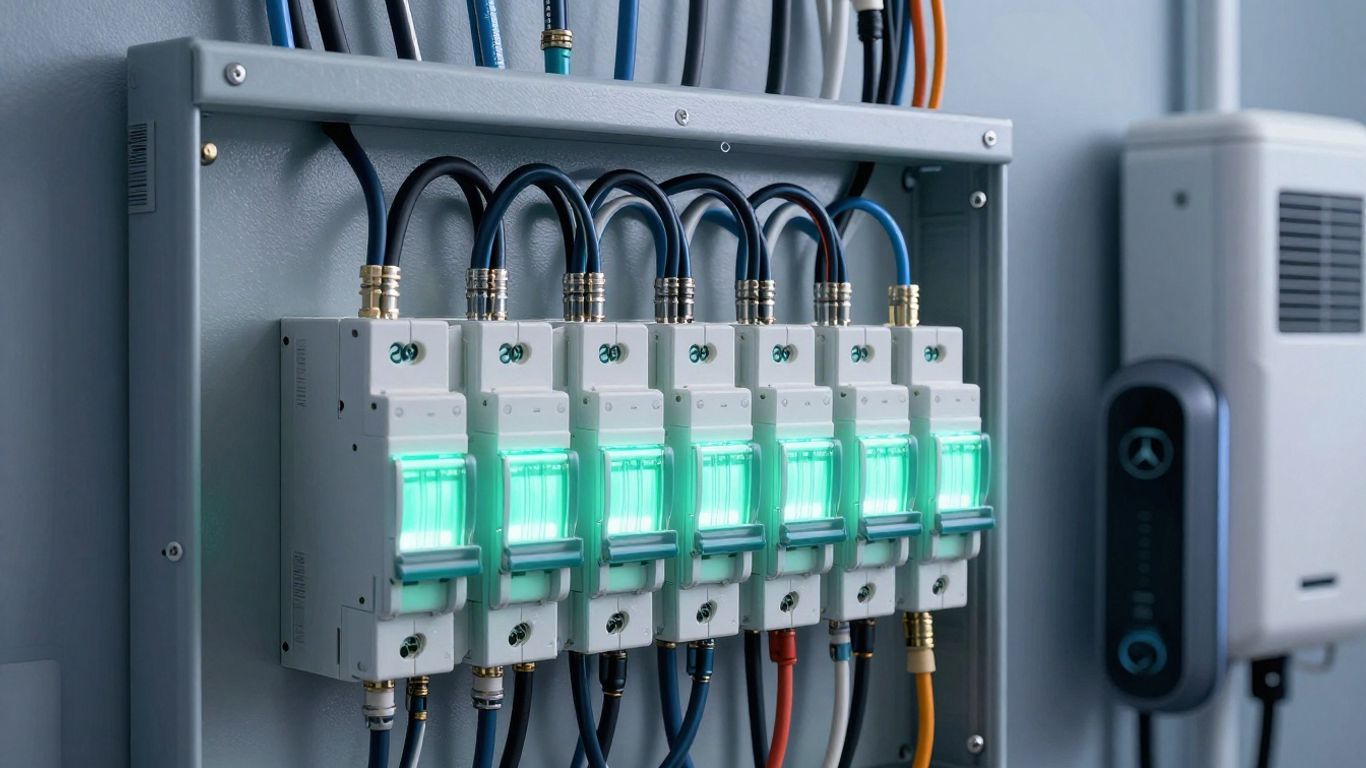
As more of us transition to electric vehicles, our home electrical systems need to keep up. Charging an EV at home draws a significant amount of power, often more than a standard electrical panel was designed to handle, especially if you’re also running modern appliances or considering an AC heat pump. We need to make sure our homes are ready for this increased demand.
Compatibility with Home Power Requirements
When we think about EV charging, the first thing to consider is how much power the charger itself needs. Different charging levels exist, and they all have different electrical requirements. Level 1 chargers use a standard 120-volt outlet, similar to what your toaster uses. While convenient, they charge very slowly. Level 2 chargers, which are much faster and what most people install at home, typically require a 240-volt circuit and can draw anywhere from 20 to 80 amps. This is a substantial load.
We need to look at our current electrical panel’s capacity. Is there enough room for a new, high-amperage breaker? More importantly, can the main service line coming into our house handle the extra load, especially when combined with other high-draw appliances like an AC heat pump? A professional assessment is key here to avoid overloading your system.
Here’s a quick look at typical charging needs:
| Charger Type | Voltage | Amperage (Typical) | Charging Speed (Miles per hour) |
|---|---|---|---|
| Level 1 | 120V | 12-16A | 3-5 |
| Level 2 | 240V | 30-60A | 15-40 |
Future-Proofing with Panel Upgrades for HVAC Systems
Thinking about an EV charger often goes hand-in-hand with other home upgrades, like switching to an energy-efficient AC heat pump. These systems also require dedicated circuits and can draw considerable power, particularly during peak heating or cooling times. If your panel is already aging or has limited space, adding both an EV charger and a heat pump circuit might be impossible without an upgrade.
We should consider the total electrical load our home will have. This includes:
- The EV charger
- The AC heat pump
- Existing high-draw appliances (dryer, oven, etc.)
- General household usage
Upgrading the main electrical panel and potentially the service entrance provides the necessary capacity. It’s not just about meeting today’s needs; it’s about preparing for the future. We might get another EV down the line, or our energy needs might change. A panel upgrade gives us that flexibility.
When we plan for EV charging, we’re not just installing a new outlet. We’re assessing the entire electrical infrastructure of our home. This includes the main service panel, the wiring, and even the utility connection. It’s a good idea to have an electrician evaluate your current setup to see what’s feasible and what upgrades are needed to safely support your new charging needs and any other planned electrical improvements.
Key Steps in Panel Upgrades for HVAC Systems
When we decide to upgrade our home’s electrical panel to support new systems like AC heat pumps or EV chargers, there are a few important things we need to get right. It’s not just about swapping out the old box for a new one; there’s a process involved to make sure everything is safe and works as it should.
Permitting and Code Compliance
Before any work begins, we absolutely must look into permits. This is a big deal for safety and legality. Different towns and cities have their own rules, and an electrician will know what’s needed. They’ll help us get the right paperwork filed so the job meets all the local electrical codes. This step is non-negotiable for a safe and legal installation. It protects us, our home, and future owners.
- Permit Application: Filing the necessary forms with your local building department.
- Plan Review: Sometimes, the electrical plans need to be reviewed and approved.
- Inspections: The work will need to pass inspections at various stages, and a final sign-off.
Skipping permits can lead to fines, insurance issues, and problems when you try to sell your home later. It’s always better to do it the right way from the start.
Choosing the Right Electrical Contractor
Finding a good electrician is just as important as the permit process. We want someone who knows their stuff, especially with modern systems. A qualified contractor will have experience with panel upgrades, heat pumps, and EV charging setups. They should be licensed and insured.
Here’s what we should look for:
- Experience: Ask about their experience with similar projects. Have they done panel upgrades for heat pumps or EV chargers before?
- Licensing and Insurance: Make sure they have current licenses and liability insurance.
- References: Check reviews or ask for references from past clients.
- Clear Estimates: Get a detailed written estimate that breaks down the costs for labor and materials.
We should also ask them about the timeline for the project. A good contractor will explain the process, what to expect, and how long it might take to complete the upgrade. They’ll also be able to advise us on the best panel size and type for our needs, considering both current requirements and any future plans we might have for our home’s electrical system.
Wrapping Up: Powering Your Home’s Future
So, we’ve talked about upgrading your main electrical panel. It might seem like a big job, and honestly, it can be. But when you think about adding things like an AC heat pump or getting ready for an electric vehicle charger, having the right electrical capacity is key. We don’t want you running into problems down the line because your panel just can’t keep up. It’s about making sure your home is ready for the way we live now and the way it’s heading. Taking this step means your house will be more comfortable, more efficient, and just plain more capable. It’s a solid investment in your home’s future, plain and simple.
Frequently Asked Questions
Why do we need to upgrade our electrical panel for a new AC heat pump or EV charger?
Think of your electrical panel as the main hub for all the power in your home. Newer, high-demand items like electric car chargers and modern heat pumps need more electricity than older systems might be able to safely provide. An upgrade ensures we have enough power and that everything runs safely without overloading the system, preventing potential problems.
What’s involved in getting our panel upgraded for these new appliances?
The process usually starts with us checking your current panel and the power coming into your house. We then figure out what size of new panel you’ll need. After that, we’ll handle getting any necessary permits from your local town or city. Finally, a qualified electrician will install the new panel and make sure all the connections are correct and safe, following all the rules.
How can upgrading our panel help with both our heating and cooling, plus charging our car?
By upgrading the panel, we’re essentially giving your home a stronger electrical backbone. This means we can confidently add powerful things like efficient heat pumps for year-round comfort and electric vehicle chargers for convenient at-home charging. It prepares our home’s electrical system for these modern needs, making sure everything works smoothly together and we don’t run into power issues down the line.


