

Choosing the right way to heat our homes can feel like a big decision. There are so many options out there, and figuring out which one is best for our specific situation takes some thought. We want something that keeps us warm, doesn’t cost too much to run, and works well with our house. This guide will help us look at the different types of home heating systems available and what to consider before we make a choice.
Key Takeaways
- We should learn about the main types of home heating systems, like furnaces and boilers, to see how they work.
- Looking at how much energy different systems use and their running costs will help us save money over time.
- We need to match the heating system’s power to our home’s size and think about what makes us feel most comfortable and what the air quality is like.
Understanding Different Home Heating Systems
When we think about keeping our homes warm, especially during those chilly months, the heating system is the heart of it all. But not all heating systems are created equal, and picking the right one can feel like a big decision. We’ve got a couple of main players when it comes to heating our houses: furnaces and boilers. Let’s break them down a bit.
Exploring Furnace Options
Furnaces are probably the most common type of heating system we see in homes today. They work by heating air and then distributing that warm air throughout your house via a system of ducts and vents. Think of it like a big fan blowing warm air wherever you need it.
- How they work: A furnace heats air using a fuel source – typically natural gas, propane, or electricity. This heated air is then pushed through your ductwork by a blower motor.
- Fuel types:
- Natural Gas: Often the most affordable and widely available fuel source where pipelines exist.
- Propane: A good option if natural gas isn’t available, though it’s usually more expensive and requires a storage tank.
- Electric: Can be a clean option, but electricity costs can make them more expensive to run, especially in colder climates.
- Types of furnaces: We can find single-stage, two-stage, and modulating furnaces. Single-stage furnaces run at full blast or not at all. Two-stage furnaces have a high and low setting, offering more consistent temperatures and better efficiency. Modulating furnaces are the most advanced, adjusting their heat output in tiny increments for maximum comfort and efficiency.
Considering Boiler Systems
Boilers take a different approach. Instead of heating air, they heat water. This hot water is then circulated through pipes to radiators or baseboard heaters in different rooms, or sometimes to radiant floor systems. It’s a quieter way to heat, and many people find the warmth it provides to be more comfortable.
- How they work: Boilers heat water using a fuel source (like gas, oil, or electricity) and then pump that hot water through a network of pipes.
- Heat distribution:
- Radiators: Traditional cast-iron or modern panel radiators.
- Baseboard Heaters: Slim units installed along the base of walls.
- Radiant Floor Heating: Pipes installed under the floor, warming the entire surface.
- Fuel sources:
- Natural Gas: Similar to furnaces, it’s often cost-effective.
- Oil: Common in areas without natural gas lines, requiring a storage tank.
- Electric: Less common for whole-house heating due to cost, but available.
The main difference boils down to how the heat is delivered: furnaces use air, while boilers use water. Both have their pros and cons, and the best choice often depends on your home’s setup, local fuel availability, and what kind of comfort you prefer.
When we’re looking at heating, it’s not just about the upfront cost of the system. We also have to think about how much it’s going to cost to run it year after year. That’s where energy efficiency really comes into play. A system that’s more efficient might cost a bit more initially, but it can save us a good chunk of money over time on our utility bills. It’s a trade-off we need to consider carefully.
Evaluating Energy Efficiency and Costs
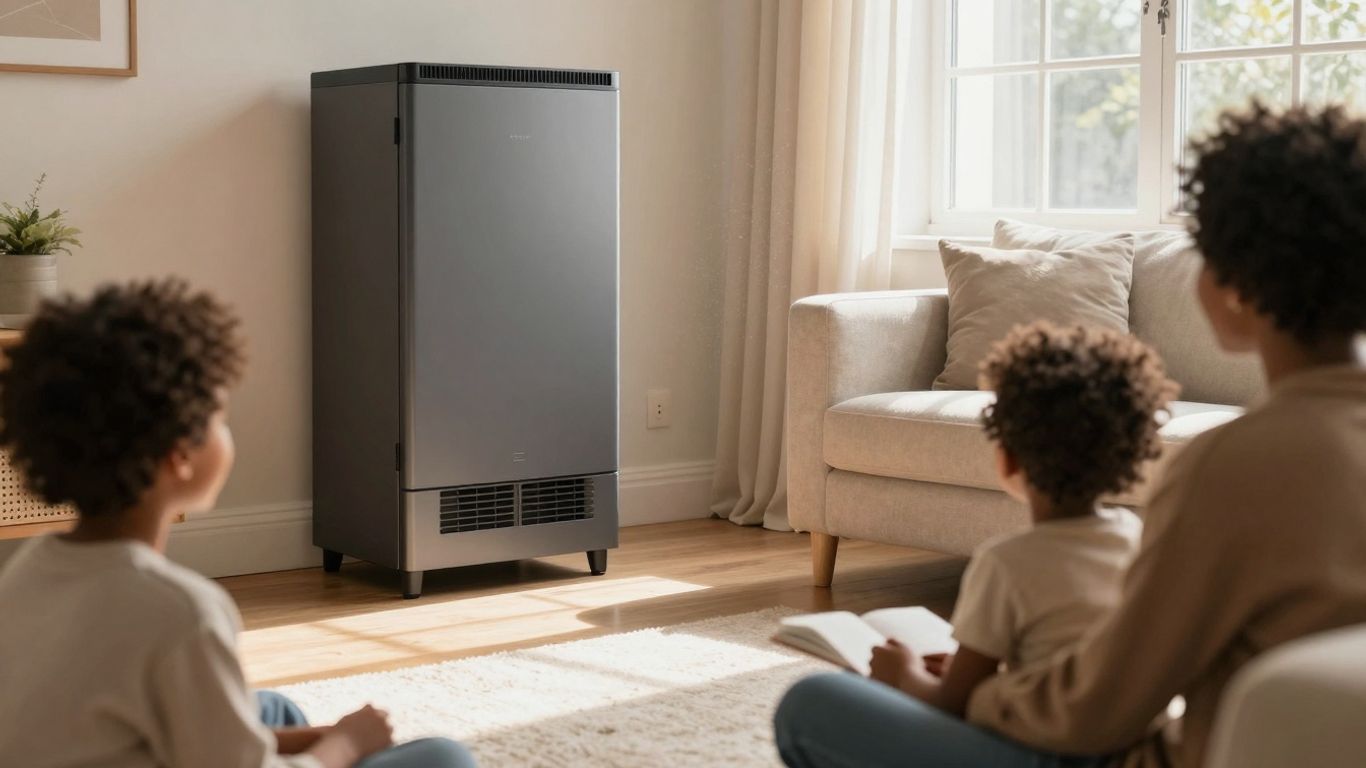
When we think about heating our homes, the big picture often comes down to two main things: how much energy it uses and how much it costs us. It’s not just about the upfront price of a system; we also need to look at what it’ll cost to run year after year. Making smart choices here can save us a lot of money and make our homes more comfortable.
Analyzing Fuel Sources for Home Heating
The type of fuel your heating system uses has a big impact on both efficiency and cost. We’ve got a few common options:
- Natural Gas: Often the most affordable fuel source in many areas. Gas furnaces are pretty efficient, but availability depends on whether you have a gas line to your home.
- Electricity: Powers electric furnaces, baseboard heaters, and heat pumps. While electricity is widely available, it can be more expensive per unit of heat compared to gas, especially for resistance heating. Heat pumps are an exception, as they move heat rather than creating it, making them much more efficient.
- Propane: Similar to natural gas but stored in a tank on your property. It’s a good option if natural gas isn’t available, but it’s typically more costly.
- Heating Oil: Also stored in a tank, oil furnaces are common in some regions. Prices can fluctuate, and oil systems require regular maintenance.
- Wood: Wood stoves and boilers can be cost-effective if you have access to cheap or free wood. However, they require a lot of manual labor for fueling and cleaning, and their efficiency varies greatly.
Assessing Long-Term Operating Expenses
Beyond the initial purchase and installation, we need to consider the ongoing costs. This includes the price of fuel, but also maintenance and potential repairs.
Here’s a quick look at how different systems might stack up over time:
| System Type | Typical Fuel Cost (Relative) | Maintenance Needs | Potential Lifespan | Notes |
|---|---|---|---|---|
| Natural Gas Furnace | Low | Moderate | 15-20 years | Requires gas line |
| Electric Furnace | High (Resistance) | Low | 15-20 years | High running costs |
| Air Source Heat Pump | Moderate | Moderate | 10-15 years | Efficiency drops in very cold weather |
| Boiler (Gas/Oil) | Moderate to High | Moderate | 20-30 years | Provides even heat, often radiant |
| Propane Furnace | High | Moderate | 15-20 years | Tank required, price can vary |
We should also think about how much energy our current system wastes. Older, less efficient units can lose a significant amount of heat through ductwork or simply by not burning fuel cleanly. Upgrading to a modern, high-efficiency system isn’t just about the new technology; it’s about stopping that wasted energy and money from going out the chimney, so to speak.
When we’re looking at the numbers, it’s helpful to get quotes for both the installation and the estimated annual fuel costs for the types of systems we’re considering. Don’t forget to factor in the maintenance costs too, as some systems need more attention than others. A slightly more expensive system upfront might actually save us money in the long run if its operating costs are significantly lower.
Selecting the Right Home Heating System for Your Needs
Matching System Capacity to Your Home Size
Picking the right heating system isn’t just about picking a brand or a price. We need to make sure it’s the right size for our house. A system that’s too small will run constantly, never quite getting the house warm enough, and that’s just wasteful. On the flip side, a system that’s way too big cycles on and off too much. This short cycling isn’t good for the equipment, and it can lead to uneven temperatures, making some rooms feel like a sauna while others stay chilly. We want a system that runs smoothly and keeps things comfortable.
To figure out the right size, we usually look at a calculation called a Manual J load calculation. This takes into account things like:
- The square footage of your home.
- How well your home is insulated.
- The number and type of windows you have.
- How much air leaks in or out.
- Your local climate.
It’s a bit technical, but a good HVAC professional will do this for you. Don’t just guess or rely on old rules of thumb. Getting this right is the first big step to a comfortable and efficient home.
Prioritizing Comfort and Air Quality
Beyond just heating, we want our homes to feel good and be healthy places to live. Different systems affect comfort and air quality in different ways. Furnaces, for example, often use forced air, which can sometimes stir up dust and allergens if the filters aren’t kept clean. Boilers, on the other hand, heat water and send it through pipes to radiators or baseboard heaters. This provides a more radiant heat, which many people find very comfortable and less drying.
Here are some things to think about regarding comfort and air quality:
- Even Heat Distribution: Does the system heat rooms evenly, or are there hot and cold spots?
- Humidity Levels: Some systems can dry out the air, especially in winter. Consider if you’ll need a humidifier.
- Air Filtration: If you have allergies or respiratory issues, how well does the system filter the air? Regular filter changes are key here.
- Noise Levels: Some systems are quieter than others. If you’re sensitive to noise, this is something to investigate.
We’ve found that sometimes the most expensive system isn’t necessarily the one that makes us happiest. It’s about finding the balance between upfront cost, running cost, and how well it actually makes our home feel. Thinking about these comfort and air quality factors helps us make a choice we won’t regret later.
When we’re looking at new equipment, we should ask about features like variable-speed blowers in furnaces, which can help with quieter operation and better air circulation. For boiler systems, the type of emitters (radiators, baseboards, in-floor radiant) also plays a role in how the heat feels. Ultimately, the best system is one that keeps us warm, comfortable, and breathing easy all winter long.
Wrapping Things Up
So, we’ve gone over a lot of ground here, looking at different ways to heat your home. It can feel like a big decision, and honestly, it is. There’s no single ‘best’ system for everyone. What works for your neighbor might not be the right fit for your house or your budget. We hope this guide has given you a clearer picture of the options out there, from furnaces and boilers to heat pumps and even wood stoves. Take your time, think about your own needs – how warm you like it, how much you want to spend on energy bills, and what kind of setup you already have. Talking to a few local heating pros is also a smart move. They can look at your place and give you advice tailored just for you. Getting this right means a cozier home and, hopefully, lower bills for years to come.
Frequently Asked Questions
What’s the main difference between a furnace and a boiler?
Think of it this way: a furnace heats air and blows it through ducts to warm your house. A boiler, on the other hand, heats water and sends it through pipes to radiators or baseboard heaters, warming your home with steam or hot water. Each has its own way of getting the job done!
How can we figure out which heating system will save us the most money over time?
To find the most budget-friendly option for the long haul, we should look at the type of fuel each system uses – like natural gas, electricity, or propane – and how much it costs in our area. We also need to consider how much energy the system uses and how well it lasts. A system that costs more upfront might actually save us money year after year if it’s really good at using energy.
Is it important to match the heating system’s power to our house size?
Absolutely! Picking a heating system that’s just the right size for our home is super important. If it’s too small, it might struggle to keep us warm when it’s really cold outside, and it will have to work extra hard. If it’s too big, it might turn on and off too much, which isn’t good for energy use or for keeping a steady temperature. We want it to be just right for cozy comfort.


