

When our heating and cooling systems act up unexpectedly, it can turn into a real headache. We’ve all been there, right? A sudden breakdown in the middle of a heatwave or a cold snap is never fun. But what if we told you that many of these emergencies could be avoided? It often comes down to paying attention to our HVAC systems before they demand our full attention. We’re going to look at how a little bit of regular care can keep things running smoothly and prevent those costly, inconvenient breakdowns.
Key Takeaways
- Regular check-ups on your heating and cooling equipment can save you from big problems later on. It’s like taking your car in for oil changes – it just makes sense.
- Simple hvac maintenance tips, like changing air filters and keeping outdoor units clear, are easy things homeowners can do themselves to help their system work better.
- Catching small issues early, such as low refrigerant or worn electrical parts, stops them from becoming major, expensive repairs that leave you without heat or air.
Proactive Care For Your Heating And Cooling System
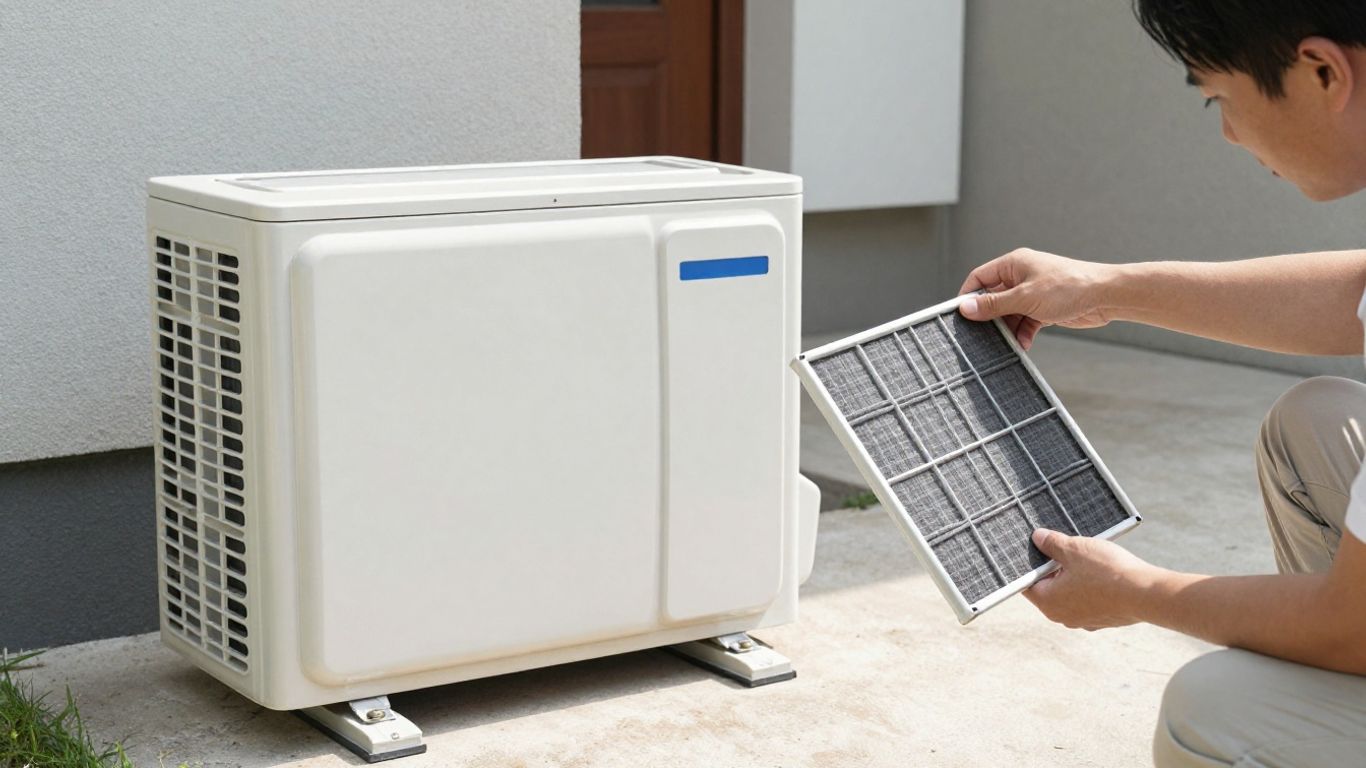
We often wait until something breaks to pay attention to our HVAC systems, don’t we? It’s easy to forget about the furnace or air conditioner humming away in the background until it stops working. But this approach can lead to unexpected breakdowns and costly repairs, especially when the weather is at its worst. Taking a proactive stance with regular maintenance can save us a lot of trouble down the line.
Understanding The Benefits Of Regular Inspections
Think of regular inspections like check-ups for your car. You wouldn’t skip oil changes or tire rotations, right? Your HVAC system deserves the same attention. When we schedule routine check-ups, we’re not just ticking a box; we’re actively working to keep our system running smoothly and efficiently. This means fewer surprise shutdowns and a more comfortable home environment throughout the year. It’s about catching small issues before they become big, expensive problems.
Here are some key advantages we gain from regular inspections:
- Improved Efficiency: A well-maintained system uses less energy, which can lower our utility bills. Dirty filters, for example, make the system work harder.
- Extended Lifespan: Regular tune-ups help components last longer. We’re talking about getting more years out of our investment.
- Better Air Quality: Clean filters and coils mean cleaner air circulating in our homes. This is especially important for those with allergies or respiratory issues.
- Reduced Repair Costs: Catching minor problems early is almost always cheaper than fixing a major breakdown.
We sometimes overlook the simple tasks that keep our home systems running. A little bit of attention now can prevent a major headache later. It’s about being smart with our home’s comfort.
Essential Hvac Maintenance Tips For Homeowners
While professional inspections are important, there are several things we can do ourselves to keep our HVAC system in good shape between professional visits. These aren’t complicated tasks, and they make a real difference.
- Change Air Filters Regularly: This is probably the most important thing we can do. Dirty filters restrict airflow, making the system work harder and reducing air quality. We should check them monthly and replace them as needed, typically every one to three months depending on the filter type and household conditions.
- Keep Outdoor Units Clear: The outdoor condenser unit needs space to breathe. We should make sure there’s no debris, leaves, or overgrown plants blocking airflow around it. Gently clearing away obstructions helps it operate efficiently.
- Check for Leaks: Periodically, we can look around our indoor unit and ductwork for any obvious signs of air leaks, like disconnected sections or damaged insulation. Sealing these up can improve efficiency.
- Listen for Strange Noises: Our HVAC system usually makes a certain sound when it’s running. If we start hearing new or unusual noises – like grinding, squealing, or banging – it’s a sign something might be wrong and we should have it looked at.
Addressing Common System Failures Through Prevention
We often don’t think about our HVAC system until something goes wrong, usually at the worst possible time – like during a heatwave or a cold snap. But many of the common, costly breakdowns we experience aren’t just bad luck; they’re often the result of neglecting simple maintenance. By taking a proactive approach, we can sidestep a lot of these headaches.
Preventing Refrigerant Leaks and Compressor Issues
Refrigerant is the lifeblood of your air conditioning system. When it leaks, your system has to work much harder to cool your home, putting immense strain on the compressor. A struggling compressor is one of the most expensive parts to replace. Regular check-ups allow technicians to spot small leaks early, often before they become major problems. They can also check for proper refrigerant levels, which is key to efficient operation.
Here’s what we look for during these checks:
- Refrigerant Levels: Too low or too high can both cause issues.
- Signs of Leaks: We inspect coils, lines, and connections for any oily residue, which often indicates a leak.
- System Pressure: Monitoring pressure gives us a good idea of the overall health of the refrigerant circuit.
Ignoring low refrigerant is like driving your car with no oil – eventually, something major will break.
Avoiding Electrical Component Malfunctions
Modern HVAC systems have a lot of electrical parts, from the thermostat to the fan motor and the control board. These components can be sensitive to dust, debris, and even power surges. Over time, connections can loosen, and contacts can corrode, leading to intermittent problems or complete failure.
During our maintenance visits, we focus on:
- Cleaning Electrical Connections: Dust buildup can impede conductivity and cause overheating.
- Checking Wiring: We look for any frayed wires or loose connections that could be a fire hazard or cause system shutdowns.
- Testing Capacitors and Relays: These small parts are vital for starting motors and switching components. If they fail, the system won’t run.
A simple cleaning and tightening of electrical components can prevent a cascade of failures. It’s the small things that often lead to big, unexpected repair bills. We’ve seen systems go down simply because a wire wasn’t secured properly, leading to arcing and damage to more sensitive electronics.
By addressing these common failure points through regular, planned maintenance, we can significantly reduce the risk of inconvenient and expensive emergency repairs. It’s about keeping our systems running smoothly and reliably, season after season.
Wrapping Up: Your HVAC’s Best Friend
So, we’ve talked a lot about how keeping up with your heating and cooling system can really save you headaches. It’s not just about comfort, though that’s a big part of it. Regular check-ups mean we catch small issues before they turn into huge, expensive problems. Think of it like taking your car in for an oil change – you do it to avoid breaking down on the highway. Our HVAC systems are no different. By scheduling simple maintenance, we help our homes stay comfortable all year round and keep those surprise repair bills away. It’s a smart move for any homeowner, really.
Frequently Asked Questions
Why is it important to check our heating and cooling system regularly?
Regular check-ups are like giving our HVAC system a health check-up. They help us catch small problems before they become big, expensive ones. Think of it as preventing a breakdown during the hottest or coldest days, which nobody wants! It also helps our system run more smoothly and efficiently, saving us money on energy bills.
What are some simple things we can do ourselves to keep our HVAC system in good shape?
We can do a few easy things! Changing our air filters regularly is super important – it keeps the air clean and helps the system breathe easier. We should also make sure vents aren’t blocked by furniture or curtains. Keeping the area around the outdoor unit clear of leaves and debris is also a good idea. These little steps make a big difference.
How often should we have a professional look at our HVAC system?
For most homes, we recommend having a professional tune-up at least once a year, ideally before the peak heating and cooling seasons start. They have special tools and knowledge to spot issues we might miss, like low refrigerant or problems with electrical parts. Getting this professional check can prevent those unexpected, stressful emergencies.


