

As spring arrives, we often turn our attention to home maintenance. This is a good time to look at our heating and cooling systems, along with our water heaters. Making sure these appliances are electrically sound can prevent problems down the road. We’ll go through some basic checks we can do ourselves to keep things running safely this season.
Key Takeaways
- Regularly check the wiring and connections for your HVAC system. Loose or damaged wires can be a fire hazard.
- Test the capacitors and motors in your HVAC unit to make sure they are working correctly. This helps prevent system failures.
- Inspect the power cords and outlets for your water heater. Look for any signs of wear or damage to avoid electrical shocks.
Essential Hvac Electrical Safety Checks For Spring
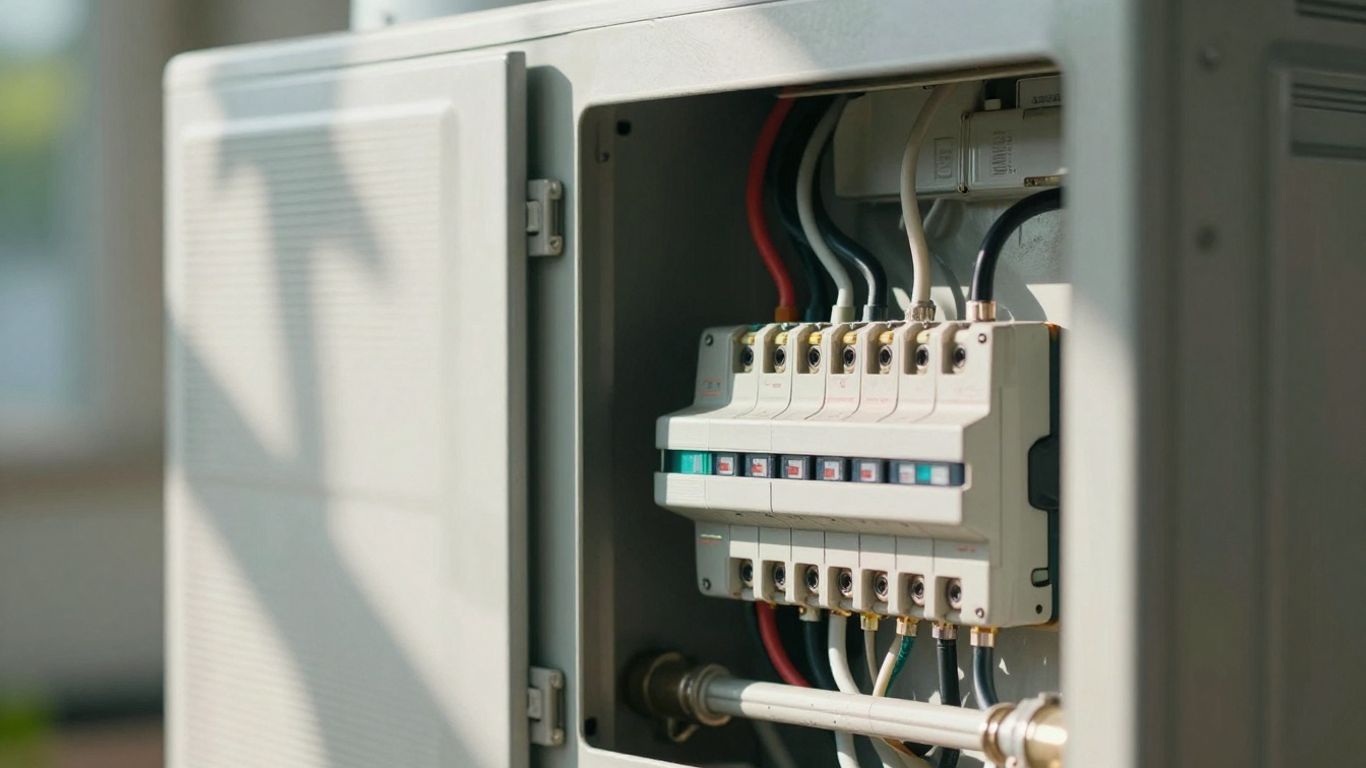
As the weather warms up, we often forget about our HVAC systems until the first real heatwave hits. But before we rely on that air conditioner, it’s a good idea to give its electrical components a once-over. We want to make sure everything is running safely and efficiently. A quick check now can prevent bigger problems later.
Inspect Hvac Wiring And Connections
When we talk about HVAC wiring, we’re looking at the lines that power your system. Over time, these can get loose, frayed, or damaged. We need to check the main power supply coming into the unit, as well as the smaller wires connecting different parts of the system, like the thermostat.
- Look for any signs of wear and tear: This includes cracked insulation, burn marks, or corrosion on the terminals.
- Check for secure connections: Gently tug on wires connected to terminals to see if they’re firmly attached. Loose wires can cause intermittent operation or even pose a fire risk.
- Ensure proper grounding: A properly grounded system is a safety feature. We should verify that the grounding wire is intact and connected.
If we find anything that looks concerning, like damaged wires or loose connections, it’s best to call a qualified technician. Messing with electrical wiring without the right knowledge can be dangerous.
We’re not electricians, and that’s okay. Our goal is to spot obvious issues. If something seems off, the safest bet is always to get a professional opinion. They have the tools and the know-how to fix it right.
Test Hvac System Capacitors And Motors
Capacitors help start the motors in your HVAC system, and motors are what make everything run. Testing these components can tell us if they’re working at full strength or if they’re starting to fail.
- Capacitor Check: Capacitors can weaken over time. A weak capacitor might cause the fan or compressor to struggle to start, or run slower than it should. We can often see if a capacitor is bulging or leaking, which are clear signs it needs replacing.
- Motor Functionality: Listen to the motors when the system runs. Are there any strange noises, like grinding or humming? Does the fan spin freely when it’s supposed to be off (after power is disconnected, of course)? Unusual sounds or sluggish movement can indicate motor trouble.
Testing the actual electrical output of capacitors and motors usually requires a multimeter and some electrical knowledge. If we’re not comfortable using one, or if we suspect a problem, it’s time to bring in an HVAC professional. They can measure the capacitance and check the motor windings for us.
Water Heater Electrical Safety In The Spring
As the weather warms up, we often turn our attention to other home maintenance tasks. One area that deserves a look is the electrical safety of our water heaters. While they work hard all year, a spring check can catch potential issues before they become bigger problems.
Examine Water Heater Power Cords And Outlets
First, let’s look at the power source. For electric water heaters, this means checking the power cord and the outlet it plugs into. We want to make sure there are no signs of wear and tear. Look for:
- Fraying or cuts in the cord insulation.
- Discoloration or burn marks around the plug or outlet.
- Loose connections where the plug meets the outlet.
A damaged cord or outlet is a serious fire hazard. If you see any of these issues, it’s best to stop using the water heater and call a qualified electrician to replace the damaged parts. Don’t try to patch up a damaged cord; it’s not worth the risk.
Verify Water Heater Thermostat And Heating Element Functionality
Next, we’ll consider the internal components. The thermostat controls the water temperature, and the heating elements do the actual heating. While you can’t directly see the heating elements without opening up the unit (which we don’t recommend unless you’re trained), we can check for signs of their proper function.
- Temperature consistency: Is the water temperature fluctuating wildly, or is it consistently too hot or too cold? This could point to a thermostat issue.
- Tripped breaker: If the circuit breaker for the water heater keeps tripping, it might indicate a problem with the heating element drawing too much power.
- Unusual noises: While not always electrical, strange humming or buzzing sounds coming from the unit could sometimes be related to electrical components.
If your water heater isn’t heating water effectively, or if you notice the breaker tripping frequently, it’s a good idea to have a professional inspect the thermostat and heating elements. These parts are vital for the unit’s operation, and their failure can lead to no hot water or, in worse cases, electrical faults.
Checking these electrical aspects of your water heater in the spring can give you peace of mind and help prevent unexpected breakdowns or safety concerns down the line.
Wrapping Up Spring Checks
So, as we move further into spring, we’ve gone over why it’s a good idea to give your HVAC system and water heater a once-over. We talked about checking the basics, like looking for any obvious damage or weird noises. It’s not about becoming an expert overnight, but just being aware of what’s going on with these important home systems. If anything seems off, it’s always best to call in a pro. Taking these small steps now can help prevent bigger headaches down the road and keep your home comfortable. We hope this helps you feel a bit more confident about your home’s readiness for the warmer months.
Frequently Asked Questions
When should we check our heating and cooling system’s electrical parts?
We recommend giving your HVAC system a good look-over as the weather starts to warm up. Spring is the perfect time to make sure everything is in good shape before the summer heat kicks in and your air conditioner has to work overtime. It’s also a smart move to check your water heater around the same time, ensuring it’s ready for any cooler spring days.
What are the most important electrical things to inspect on our HVAC unit?
For your HVAC system, we advise you to carefully examine all the wires and connections. Look for any signs of wear, like frayed insulation or loose parts. It’s also a good idea to test the capacitors and motors. These are key components that help your system run smoothly, and if they’re not working right, it can cause problems.
How do we make sure our water heater’s electrical setup is safe?
When it comes to your water heater, we suggest checking the power cord and the outlet it plugs into. Make sure the cord isn’t damaged and that the outlet is secure. We also think it’s important to verify that the thermostat is set correctly and that the heating element is functioning as it should. These steps help prevent electrical hazards and ensure you have hot water when you need it.


