

As the temperatures drop, we often hear advice about keeping our homes warm. But some of the things we think help might actually be doing more harm than good. We’ve looked into common ideas about heating systems and found that a few popular beliefs just aren’t true. Let’s clear up some of these winter heating myths and talk about what really works for keeping our homes comfortable and our systems running well.
Key Takeaways
- Turning the thermostat up higher doesn’t make your house heat up any faster than setting it to your desired temperature. The system heats at its own pace.
- Closing vents in rooms you don’t use might seem like a good idea for saving energy, but it can actually put strain on your heating system and isn’t the best way to cut costs.
- Regular upkeep, like changing air filters and getting professional check-ups, is important for your heating system’s health and efficiency.
Debunking Common Winter Heating System Myths
We all want our homes to be warm and cozy when the winter chill sets in, but sometimes our understanding of how heating systems work can lead us astray. Let’s clear up a couple of common misconceptions we often hear.
Myth: Turning Up The Thermostat Heats Your Home Faster
This is a really common one. You walk into a cold house and immediately crank the thermostat way up, thinking it’ll speed things along. However, your thermostat doesn’t actually control how fast your heating system works; it only tells it what temperature to aim for. When you turn the thermostat up higher than your desired temperature, you’re not making the furnace or heat pump work harder or faster. Instead, you’re just setting a new, higher target temperature. The system will then run until it reaches that new, higher setting, which could take even longer and use more energy than if you had just set it to your desired temperature from the start. It’s like pressing the gas pedal harder in a car that’s already going as fast as it can – it doesn’t make it go any quicker, it just strains the engine.
Myth: Closing Vents In Unused Rooms Saves Energy
Another idea we often come across is that closing off vents in rooms we don’t use will save us money on heating bills. While it seems logical, it often backfires. Most forced-air heating systems are designed with a specific airflow balance in mind. When you close vents, you disrupt this balance. This can cause:
- Increased Pressure: The air has nowhere to go, building up pressure in your ductwork. This extra pressure can lead to leaks in the ducts, allowing warm air to escape into unheated spaces like your attic or crawl space.
- Strain on the System: Your furnace or air handler has to work harder to push air against the closed vents. Over time, this can put unnecessary wear and tear on your equipment.
- Uneven Heating: Closing vents in some rooms can actually cause other rooms to get less heat because the system isn’t circulating air properly.
For most standard HVAC systems, it’s generally better to leave vents open. If you’re concerned about specific areas, consult with a heating professional about options like zone control systems, which are designed to manage heating in different parts of your home more effectively.
Understanding these simple points can help us use our heating systems more efficiently and avoid unnecessary energy waste this winter.
Essential Heating System Maintenance Practices
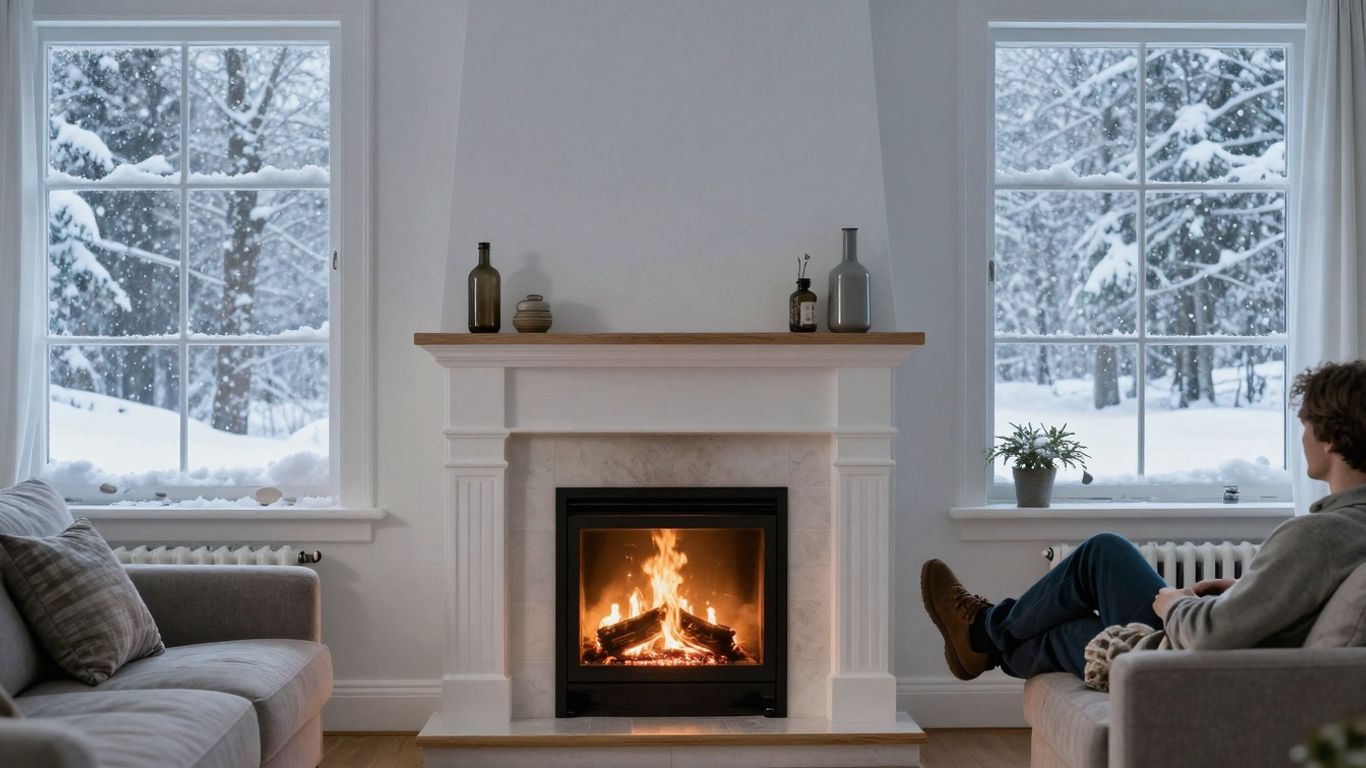
We often forget about our heating systems until they stop working, usually when we need them most – like during a cold snap. Taking care of your furnace or boiler isn’t just about avoiding a breakdown; it’s about keeping your home comfortable and your energy bills from climbing too high. Regular maintenance is key to a reliable and efficient heating system.
The Importance Of Regular Filter Changes
Think of your furnace filter like the lungs of your heating system. It catches dust, dirt, and other particles before they get into the air you breathe and, importantly, before they clog up your system’s components. A dirty filter makes your furnace work harder to push air through, which uses more energy and puts extra strain on the motor. This can lead to reduced airflow, less heat distributed throughout your home, and a shorter lifespan for your equipment.
- Reduced Airflow: A clogged filter restricts the amount of air that can pass through, meaning less warm air reaches your rooms.
- Increased Energy Use: The system has to work harder, consuming more electricity or gas.
- System Strain: Over time, this extra effort can cause parts to wear out faster.
- Air Quality: Dirty filters can recirculate dust and allergens, impacting your home’s air quality.
We recommend checking your filter monthly and replacing it as needed, typically every one to three months depending on the type of filter and your home environment (pets, allergies, etc.). It’s a simple task that makes a big difference.
Understanding Professional Tune-Ups For Optimal Performance
While changing the filter is something we can easily do ourselves, a professional tune-up is where the real magic happens for keeping your system running smoothly. A qualified technician will perform a thorough inspection and cleaning of your heating system. They can spot small issues before they become big, expensive problems.
During a tune-up, a technician will typically:
- Inspect and clean the heat exchanger for cracks or blockages.
- Check the burner assembly and clean it if necessary.
- Test the ignition system and safety controls.
- Lubricate moving parts to reduce friction and wear.
- Check refrigerant levels (for heat pumps).
- Inspect electrical connections and wiring.
- Test the thermostat for accuracy.
Scheduling an annual check-up, usually in the fall before the heating season really kicks in, is a smart move. It helps catch potential problems early, keeps your system running efficiently, and can even prevent safety hazards like carbon monoxide leaks.
Think of it like taking your car in for its regular service. It might seem like an extra expense, but it saves you money and headaches in the long run by preventing costly repairs and keeping your system from failing when you need it most.
Wrapping Up Winter Heating
So, we’ve looked at a few common ideas people have about keeping warm in the winter, and honestly, some of them just aren’t true. It’s easy to get caught up in what we think we know, but when it comes to our heating systems, getting the facts straight really matters. We hope clearing up these myths helps you feel more confident about your home’s comfort and how your heating works. Taking a moment to understand these things can save you trouble and maybe even some money down the road. Don’t just guess; know what’s going on with your furnace.
Frequently Asked Questions
Does cranking up the thermostat really warm our house quicker?
We often think that turning the thermostat way up will make our rooms toasty faster. However, this isn’t quite true. Your heating system works at a set pace. Turning the dial higher just tells it to keep running until it reaches that higher temperature, which can actually use more energy than needed and doesn’t speed up the initial warming process significantly. It’s better to set it to the temperature you want and let it do its job steadily.
Is shutting vents in empty rooms a good way to save on heating bills?
It might seem logical to close off vents in rooms we don’t use to save heat. But, this can sometimes cause problems for our heating system. Blocking airflow can make the system work harder, potentially leading to damage or making it less efficient overall. For most standard heating setups, it’s generally best to keep the vents open to allow air to circulate properly throughout the house.
How often should we change the filters in our heating system?
Changing the air filter is a simple but very important task for keeping our heating system running well. We recommend checking and changing it at least once every three months. If you have pets or notice a lot of dust, you might need to change it even more often. A clean filter helps the system breathe easier, uses less energy, and keeps our air cleaner.


