

As the temperatures drop, our heating systems work overtime. We often forget about our HVAC units until something goes wrong, leaving us in the cold. This article will help us go over some common issues that pop up in winter and what we can do to avoid them. We’ll talk about keeping air moving and making sure our heaters are ready for the season. Proper winter HVAC maintenance can save us a lot of trouble.
Key Takeaways
- Keeping air filters clean and vents clear helps our heating systems run better.
- Checking the thermostat and getting professional help are good steps to avoid breakdowns.
- Regular winter HVAC maintenance is important for a warm and safe home.
Ensuring Optimal Airflow For Your Heating System
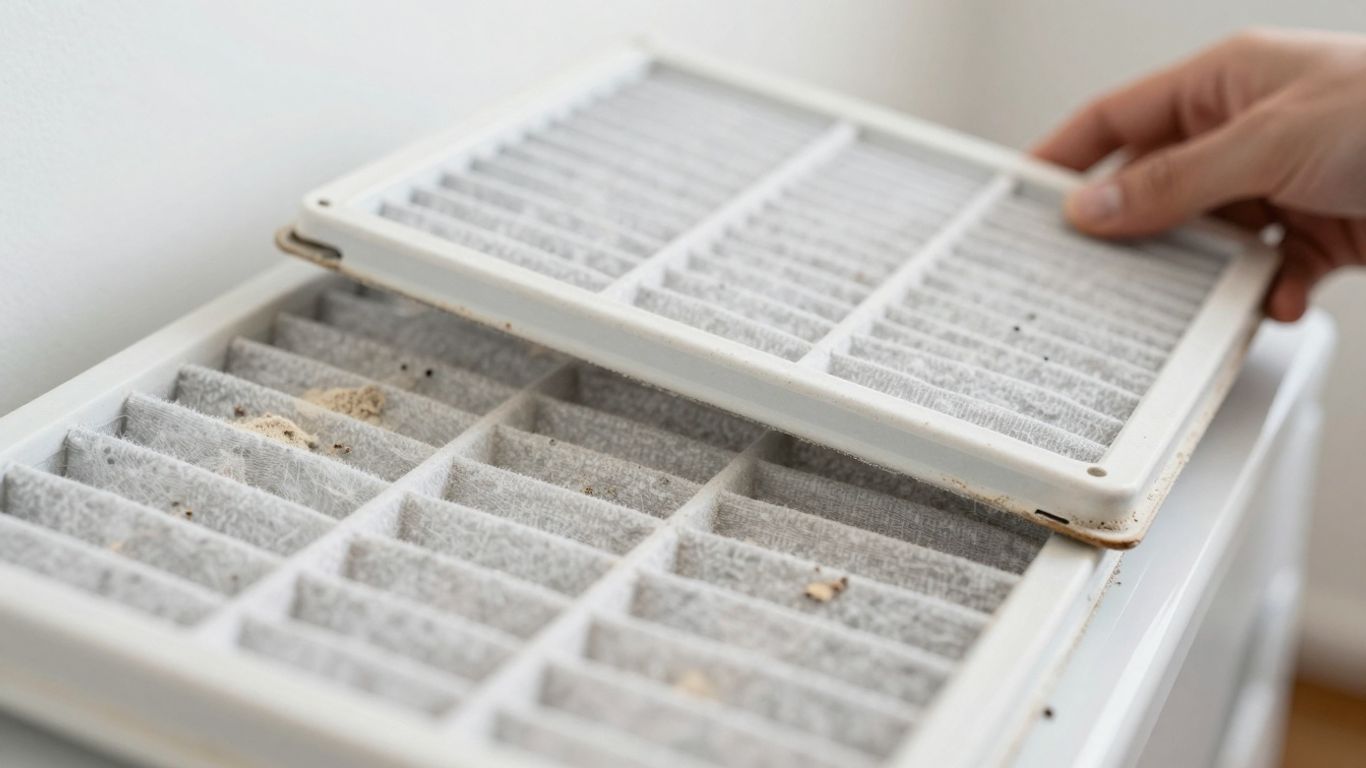
When winter hits, we rely on our heating systems to keep us warm and comfortable. But sometimes, even with the heat turned up, rooms don’t feel as warm as they should. Often, the culprit isn’t a major system failure, but something much simpler: airflow. Good airflow is like the lifeblood of your heating system. If it’s restricted, your furnace has to work harder, uses more energy, and might not even heat your home effectively. We need to pay attention to how air moves through our ducts and vents.
Checking And Replacing Air Filters
The air filter is probably the most overlooked part of a heating system, yet it’s incredibly important. It traps dust, dirt, pet dander, and other particles before they can get into your furnace and circulate through your home. A clogged filter is like trying to breathe through a stuffy nose – it makes everything harder.
- A dirty filter can significantly reduce airflow, making your system less efficient and potentially causing it to overheat.
- It can also lead to premature wear and tear on your furnace components.
- In some cases, a severely blocked filter can even cause your system to shut down completely to prevent damage.
We recommend checking your air filter monthly, especially during peak heating season. If it looks dirty, it’s time for a replacement. The type of filter you have and your home’s conditions (like pets or allergies) will determine how often you need to change it. Some filters last a month, others can go for three months or even longer. Just remember to look at it regularly.
Clearing Vents And Registers
Beyond the filter, we also need to make sure the vents and registers where the warm air comes out aren’t blocked. It sounds obvious, but it’s easy to push furniture in front of a vent or pile up laundry near a register without thinking. This directly impedes the flow of warm air into your living spaces.
Here’s what we should do:
- Walk through your home and identify all the supply and return air vents and registers.
- Move any furniture, rugs, or other items that might be obstructing them. Aim for at least a foot of clear space around each vent.
- Periodically vacuum around the registers to remove dust and debris that can accumulate there.
Keeping vents clear is a simple step that makes a big difference in how evenly your home is heated. It allows the warm air to circulate freely, reaching all the areas that need it without resistance. This helps maintain a consistent temperature throughout your house and prevents some rooms from feeling colder than others.
By taking these simple steps, we can help our heating systems run more smoothly and keep our homes cozy all winter long.
Preventing Common Heating System Failures
Winter can be tough on our heating systems. We often don’t think about them until they stop working, and then it’s a real problem, especially when it’s cold outside. We want to make sure our homes stay warm and comfortable, so taking a few steps to prevent common issues is a smart move. It’s not just about avoiding a breakdown; it’s about keeping our systems running efficiently and safely.
Inspecting The Thermostat For Accuracy
Your thermostat is the brain of your heating system. If it’s not working right, your furnace might run too much, not enough, or at the wrong temperatures. We’ve seen thermostats that were just a few degrees off, making the house feel colder than it should, or causing the system to cycle on and off more than necessary. This wastes energy and puts extra wear on your equipment.
- Check the settings: Make sure it’s set to ‘Heat’ and not ‘Cool’ or ‘Off’. It sounds simple, but we’ve all made that mistake.
- Test the temperature: Compare the temperature reading on the thermostat to a reliable thermometer placed nearby. If there’s a difference of more than a couple of degrees, it might need calibration or replacement.
- Look for drafts: Ensure the thermostat isn’t located near a drafty window or a heat source like a lamp, as this can trick it into thinking the room is warmer or colder than it actually is.
- Consider upgrading: If your thermostat is old, think about getting a programmable or smart thermostat. They can help manage your home’s temperature more effectively and save on energy bills.
Scheduling Professional Winter HVAC Maintenance
While we can do some checks ourselves, there are things that really need a professional. Getting your heating system checked out before the coldest months hit is a really good idea. A technician can spot problems we might miss and make sure everything is in good working order.
Here’s what a typical maintenance check might include:
- Cleaning and inspecting the furnace: This includes checking the burners, heat exchanger, and blower motor for any signs of wear or damage.
- Checking electrical connections: Loose or corroded wires can cause system failures.
- Testing safety controls: Making sure all safety features are working correctly is important for preventing dangerous situations.
- Lubricating moving parts: This helps the system run smoothly and quietly.
- Checking refrigerant levels (for heat pumps): If you have a heat pump, this is a key part of its operation.
Regular professional maintenance isn’t just about fixing problems before they happen. It’s also about making sure your system runs at its best, which means it uses less energy and lasts longer. Think of it like getting an oil change for your car – it keeps things running smoothly.
We recommend scheduling this service in the fall, before the heating season really kicks into high gear. It’s usually easier to get an appointment then, and you’ll have peace of mind knowing your system is ready for whatever winter throws at us.
Wrapping Up Your Winter HVAC Prep
So, we’ve gone over a few common things that can go wrong with our heating systems when it gets cold. It’s not always fun dealing with these issues, and sometimes it feels like a lot to remember. But taking a little time now to check filters, clear vents, and maybe even get a professional tune-up can really save us headaches later. We don’t want to be stuck in the cold because of a simple fix we put off. Let’s aim to keep our homes warm and comfortable all winter long by being a bit proactive.
Frequently Asked Questions
How often should we change our home’s air filter?
We recommend checking your air filter every month. If it looks dirty, it’s time for a new one. For most homes, replacing it every three months is a good rule of thumb, but this can change depending on how much you use your heating and cooling, or if you have pets.
What’s the biggest sign our heating system might be having trouble?
A common sign that your heating system might be struggling is if you notice uneven temperatures in your home – some rooms might be warm while others are chilly. Strange noises, like banging or rattling, or a sudden increase in your energy bills could also mean something isn’t quite right.
Is it really necessary to have our HVAC system checked by a pro every year?
Yes, we strongly advise scheduling a professional check-up for your HVAC system before winter arrives. These experts can spot small issues before they become big, costly problems, ensure your system is running safely and efficiently, and help keep your home warm and comfortable all season long.


