

When it’s time to get a new furnace for your Sacramento home, it can feel a bit overwhelming. There are a lot of options out there, and figuring out what’s best for your house and your wallet is important. We’ll walk through some of the main things to think about, like how efficient the furnace is and what kind of system will work best for our local weather. Getting the right furnace installation in Sacramento means a warmer home and lower energy bills.
Key Takeaways
- Understand furnace efficiency ratings, like AFUE, to see how much energy your new furnace will use and how that impacts your bills. High-efficiency models are often a good choice for Sacramento’s climate.
- Proper sizing is key for any furnace installation in Sacramento. A unit that’s too big or too small won’t heat your home evenly and can waste energy.
- Decide between gas, electric, or heat pump systems based on your home’s setup, local utility costs, and your heating needs. Each has its own pros and cons for Sacramento residents.
Understanding Furnace Efficiency Ratings
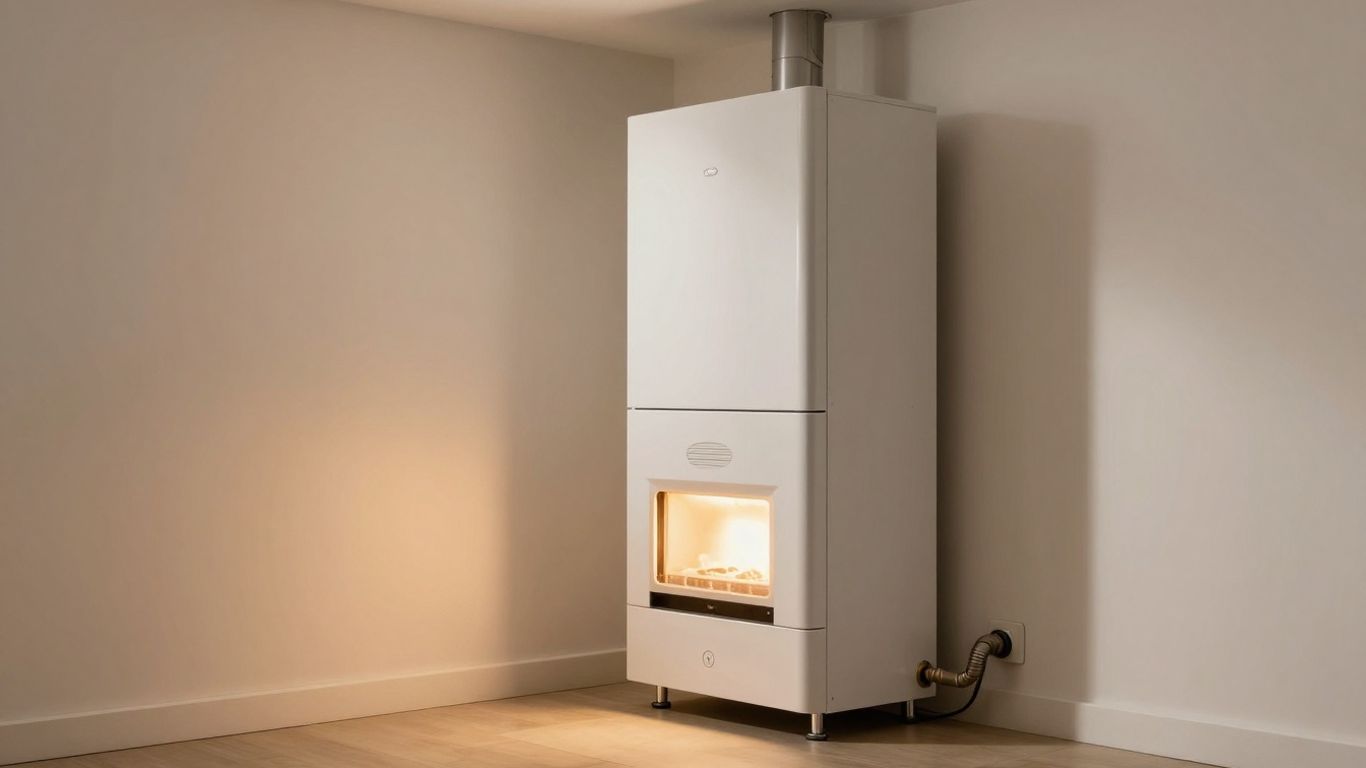
When we’re looking at new furnaces, one of the first things we’ll come across are efficiency ratings. It sounds a bit technical, but it really just tells us how much of the fuel the furnace burns actually turns into heat for our homes. Think of it like this: you don’t want to pay for energy that just goes up the chimney, right? That’s where these ratings come in handy.
AFUE: What It Means For Your Energy Bills
AFUE stands for Annual Fuel Utilization Efficiency. It’s basically a percentage. A furnace with a 90% AFUE rating means that for every dollar you spend on fuel, 90 cents goes towards heating your house, and 10 cents is lost as exhaust. The higher the AFUE percentage, the more efficient the furnace is, and the less you’ll spend on energy bills over time.
Here’s a quick look at what different AFUE ratings generally mean for your wallet:
- 80% AFUE: These are standard efficiency furnaces. They’re usually less expensive upfront but will cost more to run compared to higher-efficiency models.
- 90% – 98% AFUE: These are considered high-efficiency furnaces. They cost more initially but save you money on gas or electricity month after month, especially during those cold Sacramento winters.
Choosing a furnace with a higher AFUE rating is a smart move for long-term savings, even if the initial price tag is a bit higher. It’s an investment that pays off.
High-Efficiency Furnaces For Sacramento’s Climate
Sacramento can get pretty chilly, especially in the mornings and evenings during winter. That’s why we often recommend looking at furnaces with higher AFUE ratings. While a standard 80% AFUE furnace will get the job done, a 90%+ AFUE model will do it using less fuel. This is particularly noticeable when you’re running the heat for extended periods.
Consider these points when thinking about high-efficiency models for our area:
- Fuel Savings: The primary benefit is reduced energy bills. Over the lifespan of the furnace, these savings can add up significantly.
- Environmental Impact: Using less fuel means a smaller carbon footprint, which is good for everyone.
- Comfort: Many high-efficiency furnaces also offer quieter operation and more consistent heating, which is a nice bonus.
While the upfront cost might be a hurdle, the long-term benefits of a high-efficiency furnace in a climate like ours are pretty clear. We want to make sure you’re getting the most heat for your money and keeping your home comfortable without breaking the bank.
Key Considerations For Furnace Installation Sacramento
Sizing Your New Furnace Correctly
Getting the size of your new furnace right is a big deal. Too small, and it’ll run constantly trying to keep up, never quite getting your home comfortable, especially on those colder Sacramento nights. This constant running also means more wear and tear and higher energy bills. On the flip side, a furnace that’s too big cycles on and off too frequently. This short cycling isn’t efficient and can lead to uneven heating, with hot and cold spots throughout your house. Plus, oversized units can sometimes lead to humidity problems in the summer if they’re part of a combined HVAC system.
We usually start by looking at your home’s square footage, but that’s just the beginning. We also need to consider:
- Insulation levels: How well your home holds heat.
- Window types and age: Older, single-pane windows let a lot more heat escape.
- Local climate data: Sacramento gets pretty warm in the summer and can have chilly winter evenings.
- Home’s layout and ceiling height: A sprawling ranch home needs different considerations than a two-story.
A properly sized furnace will run for longer, more consistent cycles, providing steady, comfortable heat and operating more efficiently. We use a process called a Manual J calculation, which is a detailed load calculation, to figure out the exact heating needs for your specific home. It’s not something to guess at; it really makes a difference in comfort and cost.
Choosing Between Gas, Electric, Or Heat Pump Systems
When it’s time to pick a new heating system, you’ve got a few main options to think about, and each has its pros and cons, especially here in Sacramento.
- Natural Gas Furnaces: These are the most common choice for many homes. If you have a natural gas line, they’re generally cost-effective to run. They provide powerful, quick heat, which is great when the temperature drops. However, natural gas prices can fluctuate, and you need to have a gas line connected to your home.
- Electric Furnaces: Electric furnaces are simpler in design and often have a lower upfront cost. They don’t require a gas line, which is a plus if your home isn’t already set up for gas. The main drawback is that electricity can be more expensive to run than natural gas, so your monthly heating bills might be higher. They also tend to provide a slightly less intense heat compared to gas.
- Heat Pumps: Heat pumps are a bit different. They don’t generate heat; instead, they move heat from one place to another. In the winter, they pull heat from the outside air and bring it inside. In the summer, they reverse the process to cool your home. This makes them a very energy-efficient option, especially in milder climates like Sacramento’s. They can significantly reduce your heating and cooling costs. However, their efficiency can drop when temperatures get very cold (below freezing), and you might need a supplemental heat source, like electric resistance heat, for the coldest days. They also have a higher initial cost than a standard furnace.
The best system for you depends on what’s already in your home, your budget, and your priorities for energy use and comfort. We can walk you through the specifics of each to help you make the most informed decision for your household.
Wrapping Things Up
So, we’ve gone over a few things about picking out a new furnace for your place here in Sacramento. It might seem like a lot to think about, but taking the time to figure out what you really need is worth it. We looked at different types, how to think about size, and why efficiency matters, especially with our weather. Don’t rush the decision. Talk to a few local pros, get a couple of quotes, and ask questions. Getting the right furnace means more comfort for your family and can save you money on bills down the road. It’s a big purchase, but a smart one when you get it right.
Frequently Asked Questions
How do we know if a furnace is good at saving energy?
We look at its AFUE rating. AFUE stands for Annual Fuel Utilization Efficiency. A higher AFUE number means the furnace wastes less energy as heat. For example, a furnace with an 80% AFUE turns 80 cents of every dollar you spend on fuel into heat for your home, while the other 20 cents go up the chimney. We recommend looking for furnaces with high AFUE ratings, especially for our Sacramento winters, to keep your energy bills lower.
What’s the most important thing when putting in a new furnace?
Getting the size just right is super important. If a furnace is too small, it won’t be able to warm your house properly on the coldest days, and it will run all the time, wearing out faster. If it’s too big, it will turn on and off too much, which isn’t good for the equipment and can make your heating feel uneven. We’ll help you figure out the perfect size based on your home’s size, how well it’s insulated, and Sacramento’s typical weather.
Should we pick a gas, electric, or heat pump furnace?
That’s a big decision! Gas furnaces are common and often cheaper to run if natural gas is available in your area. Electric furnaces are simpler and can be a good option if gas isn’t an option, but they can cost more to operate. Heat pumps are interesting because they can both heat and cool your home, and they’re very energy-efficient, especially in milder climates like ours in Sacramento. We can discuss the pros and cons of each based on your home and budget.


